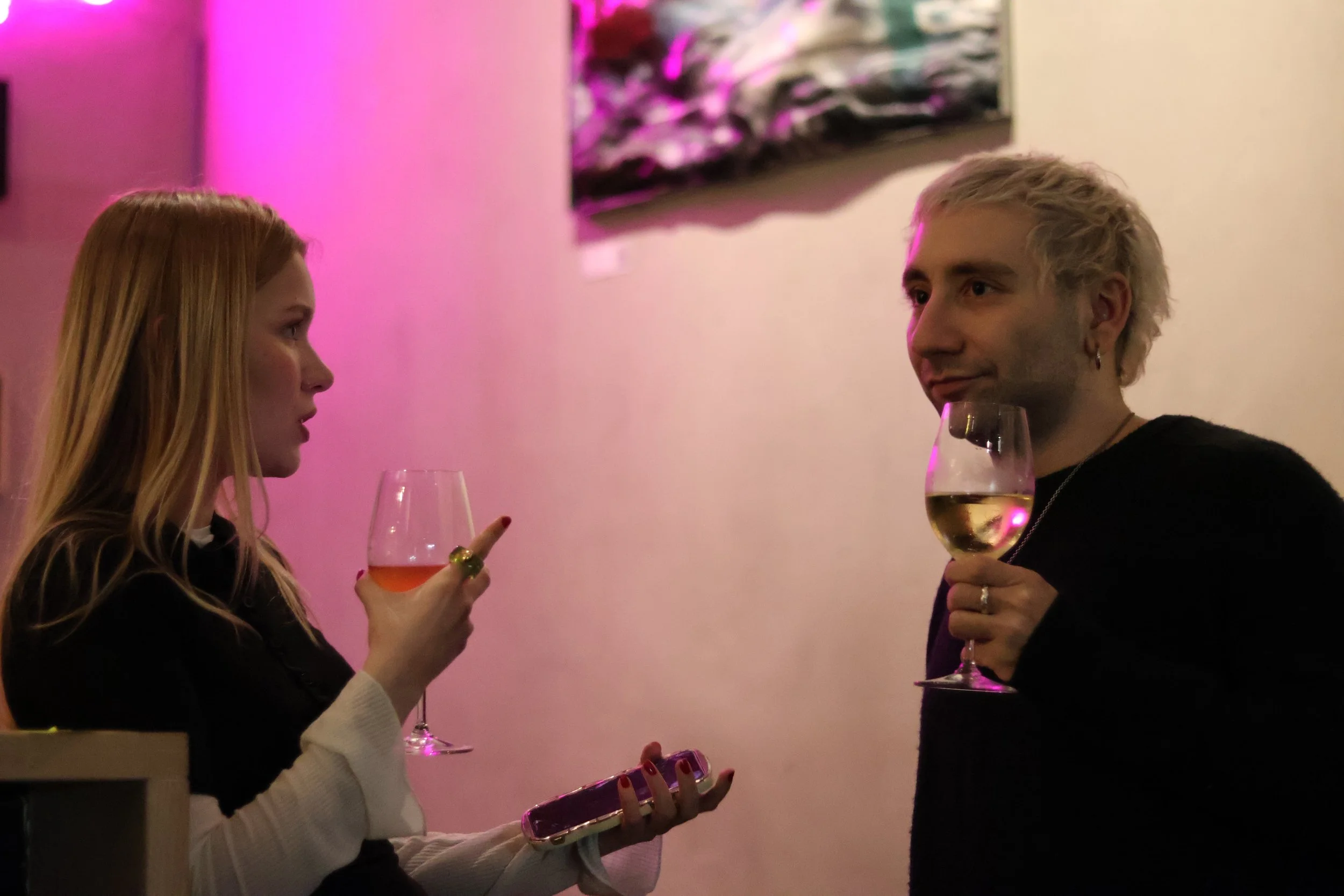
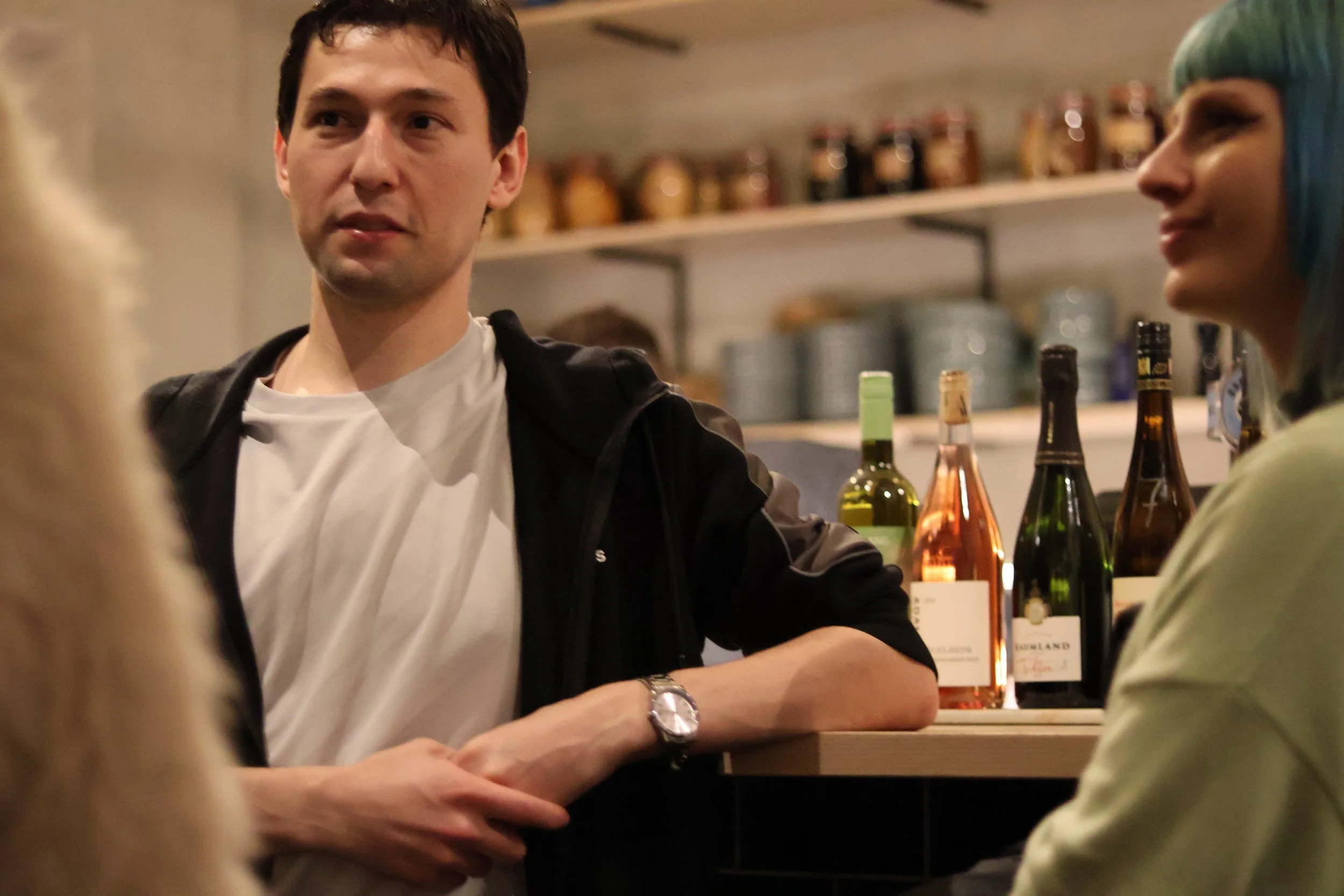
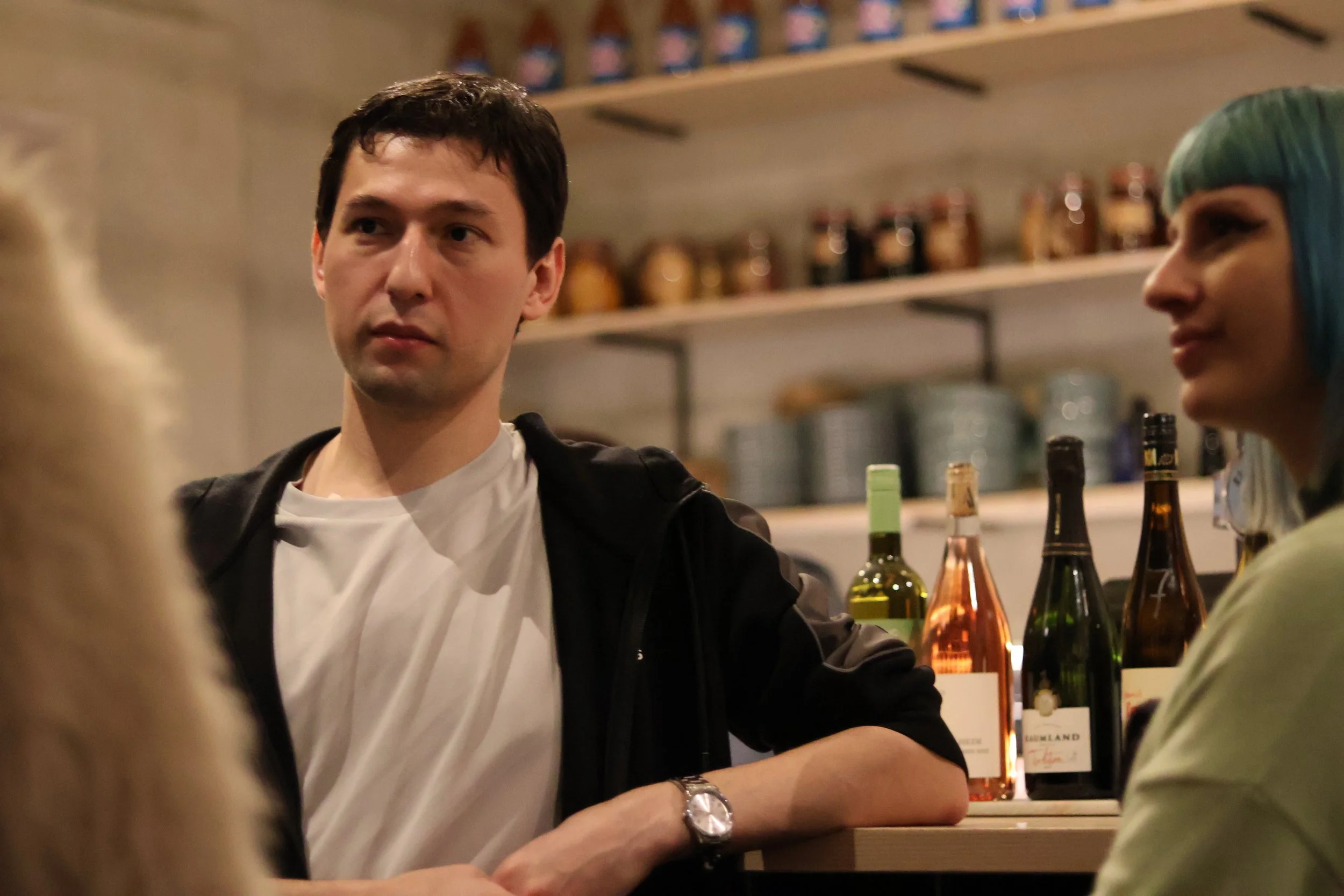
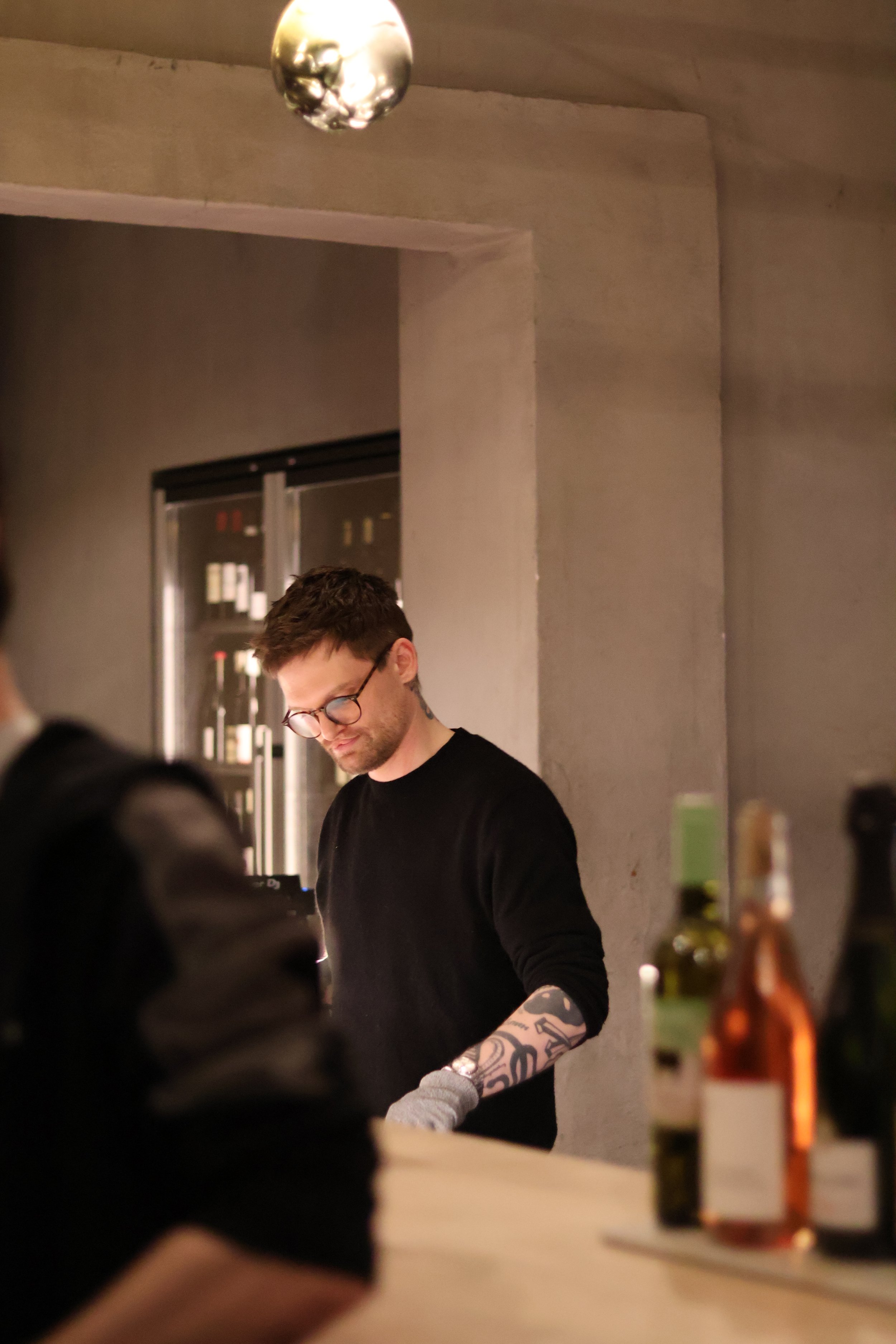
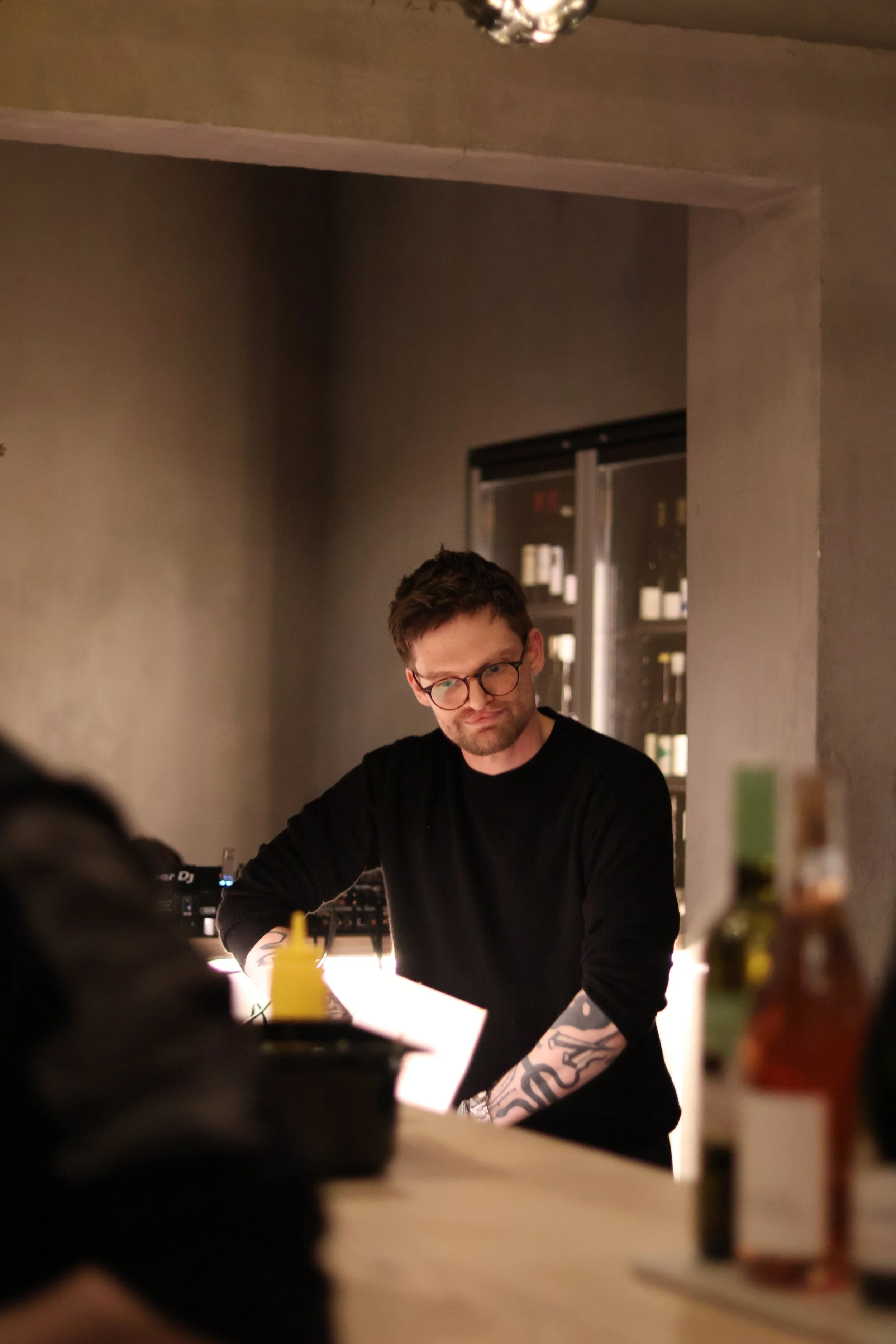
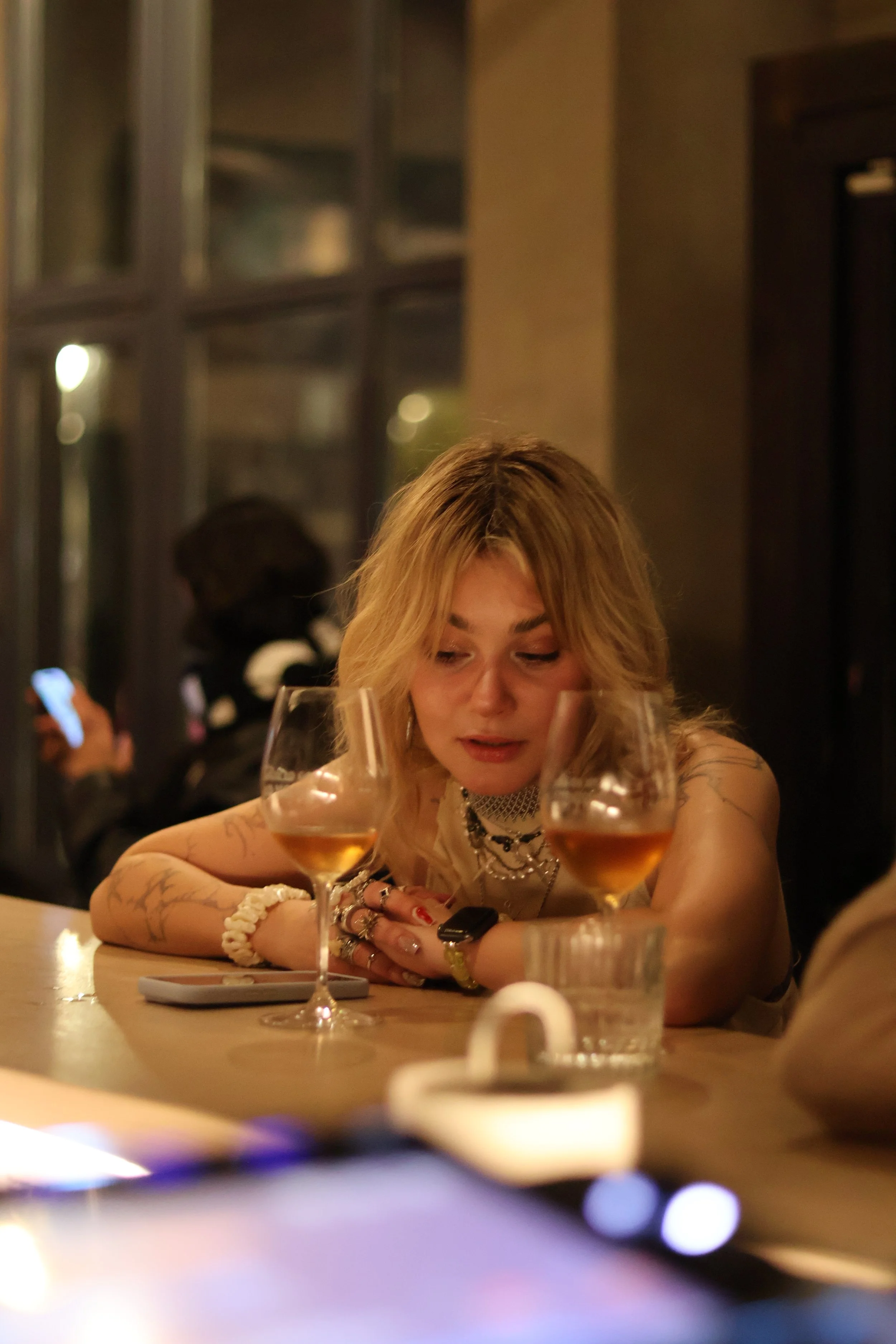
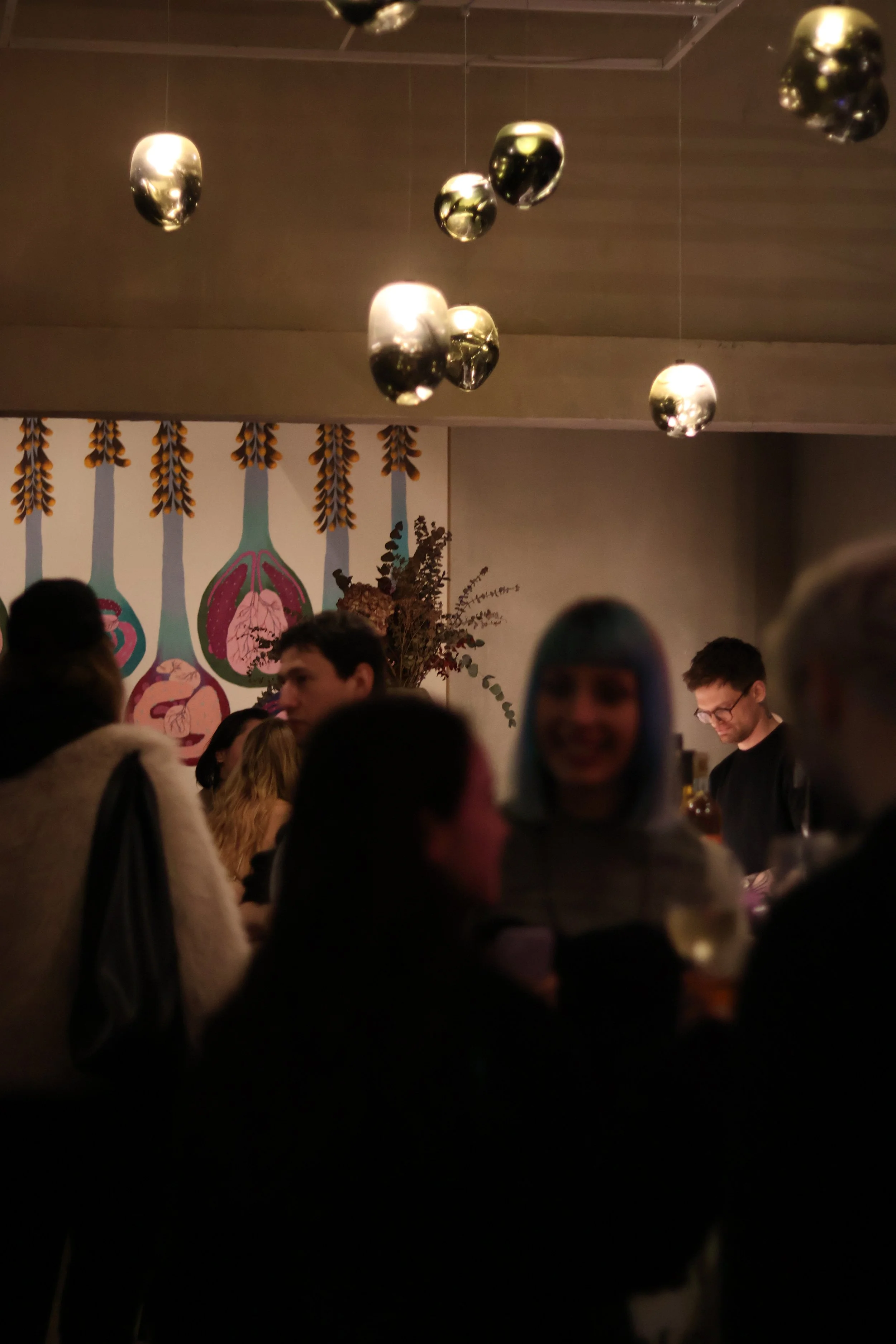
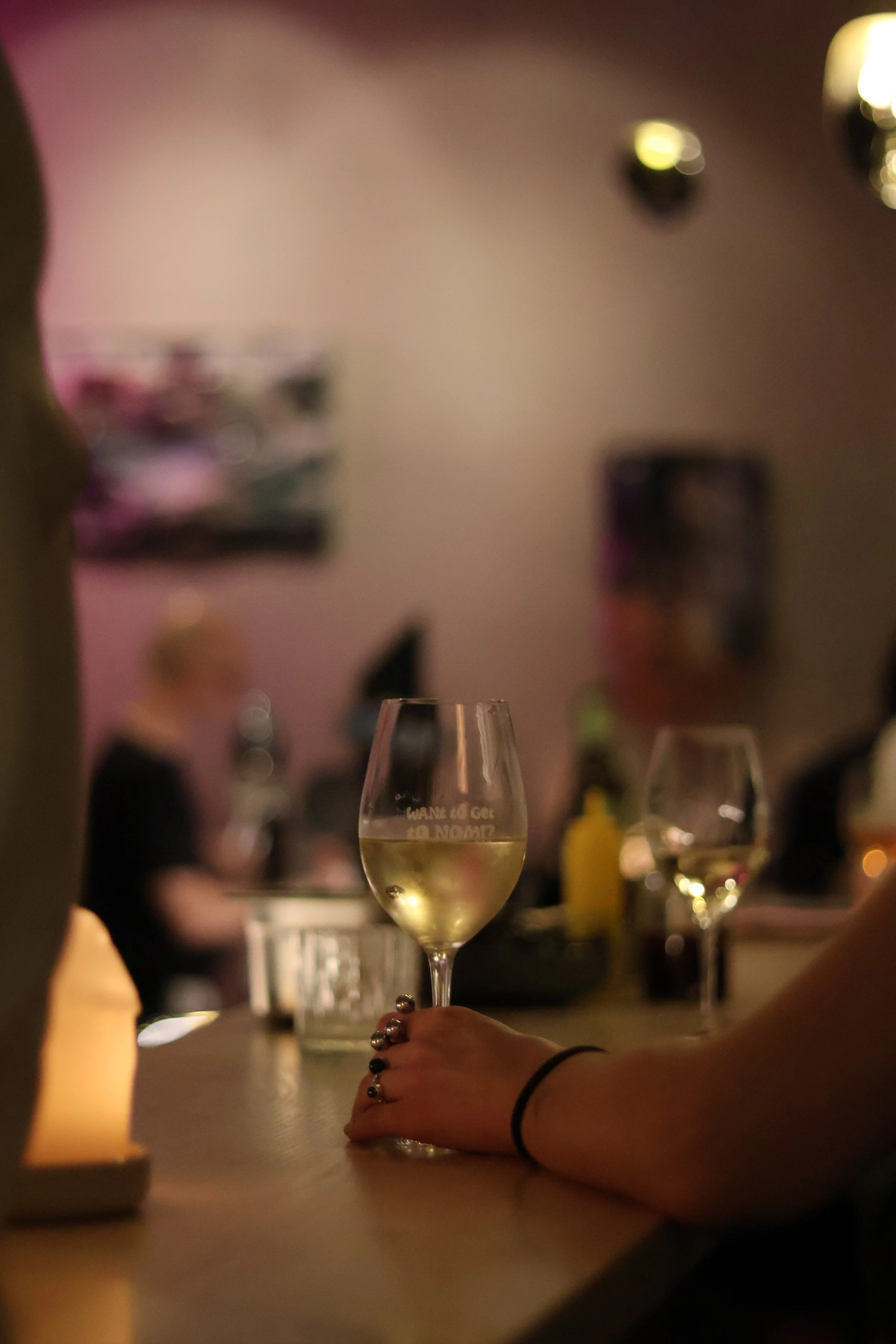
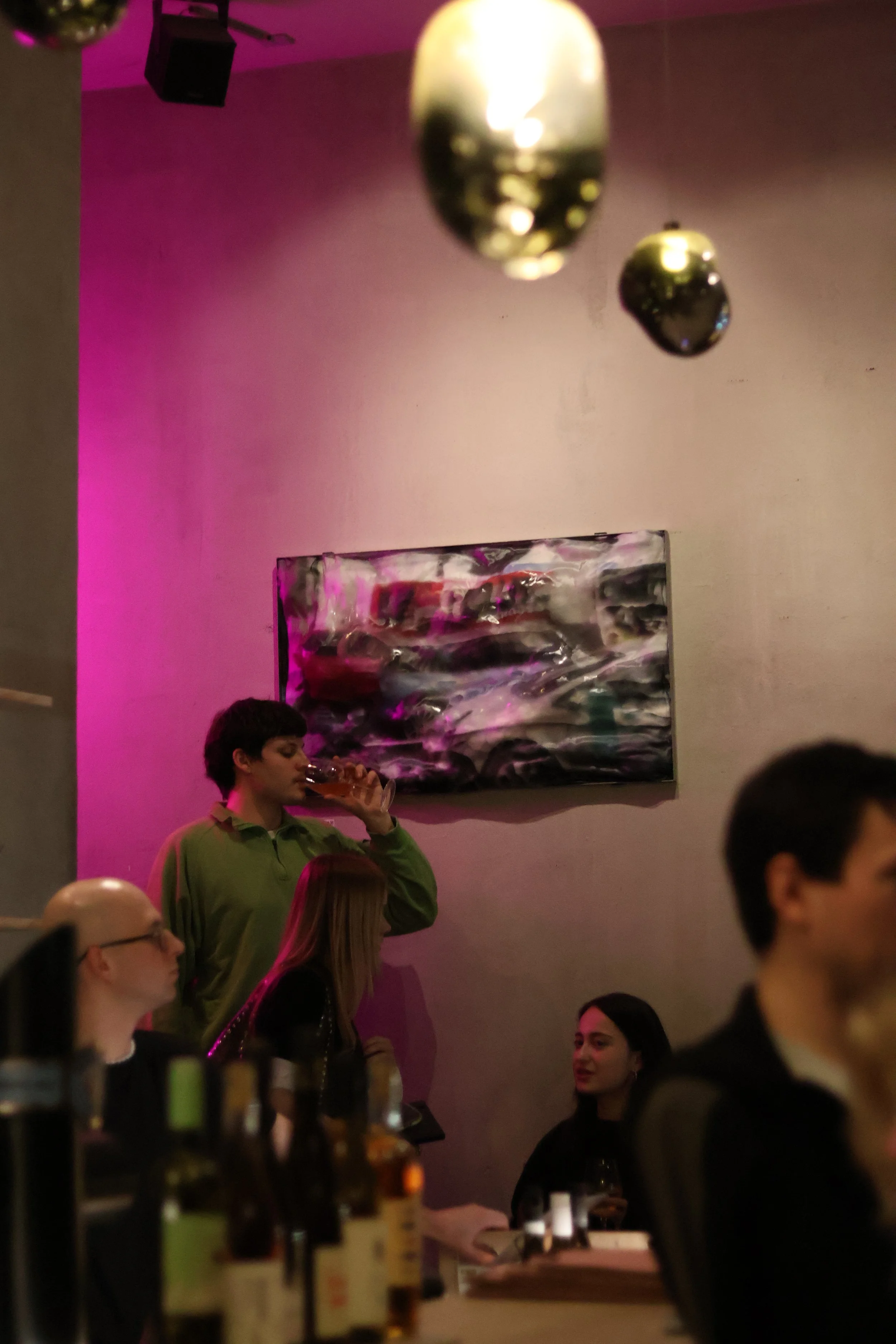
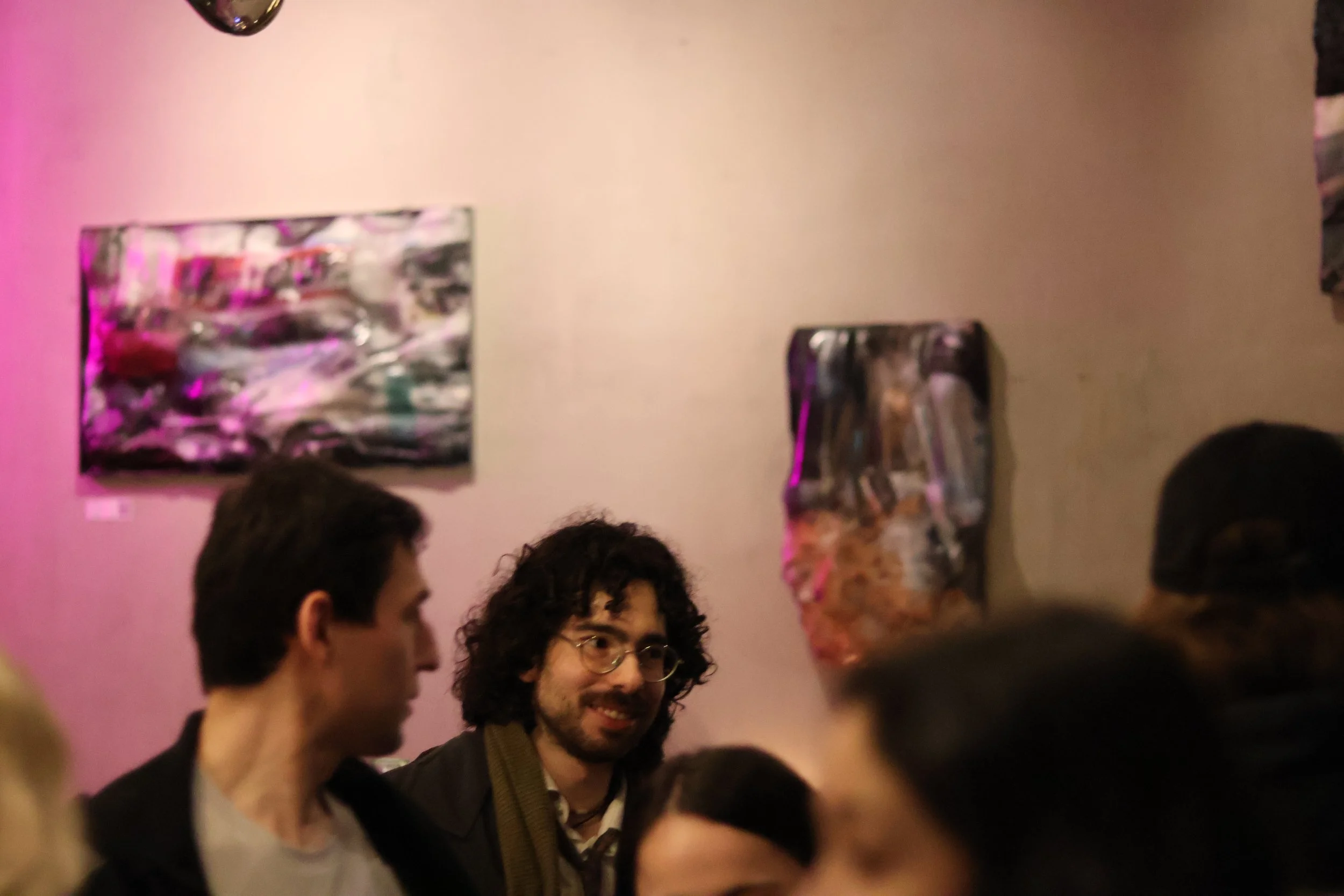
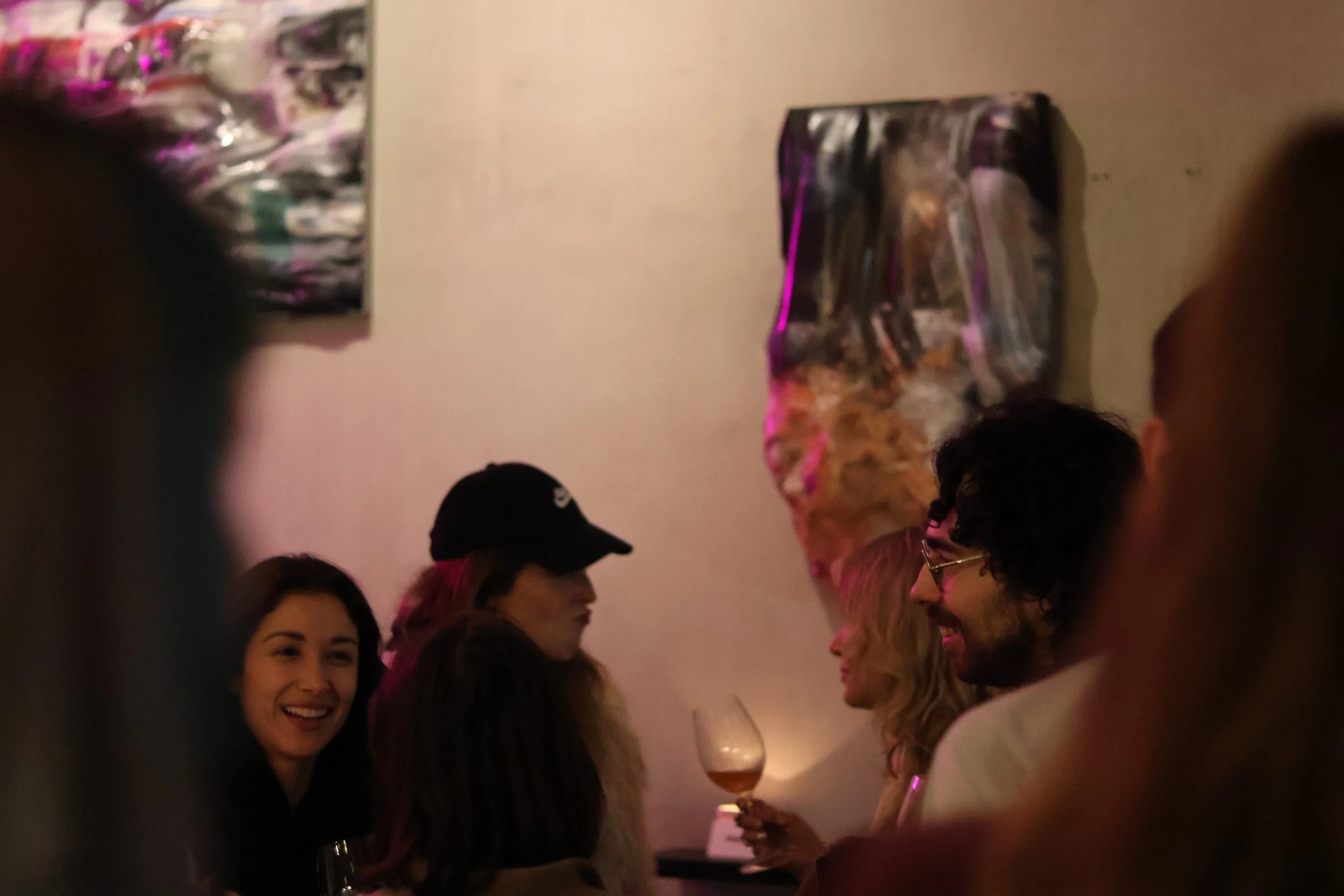
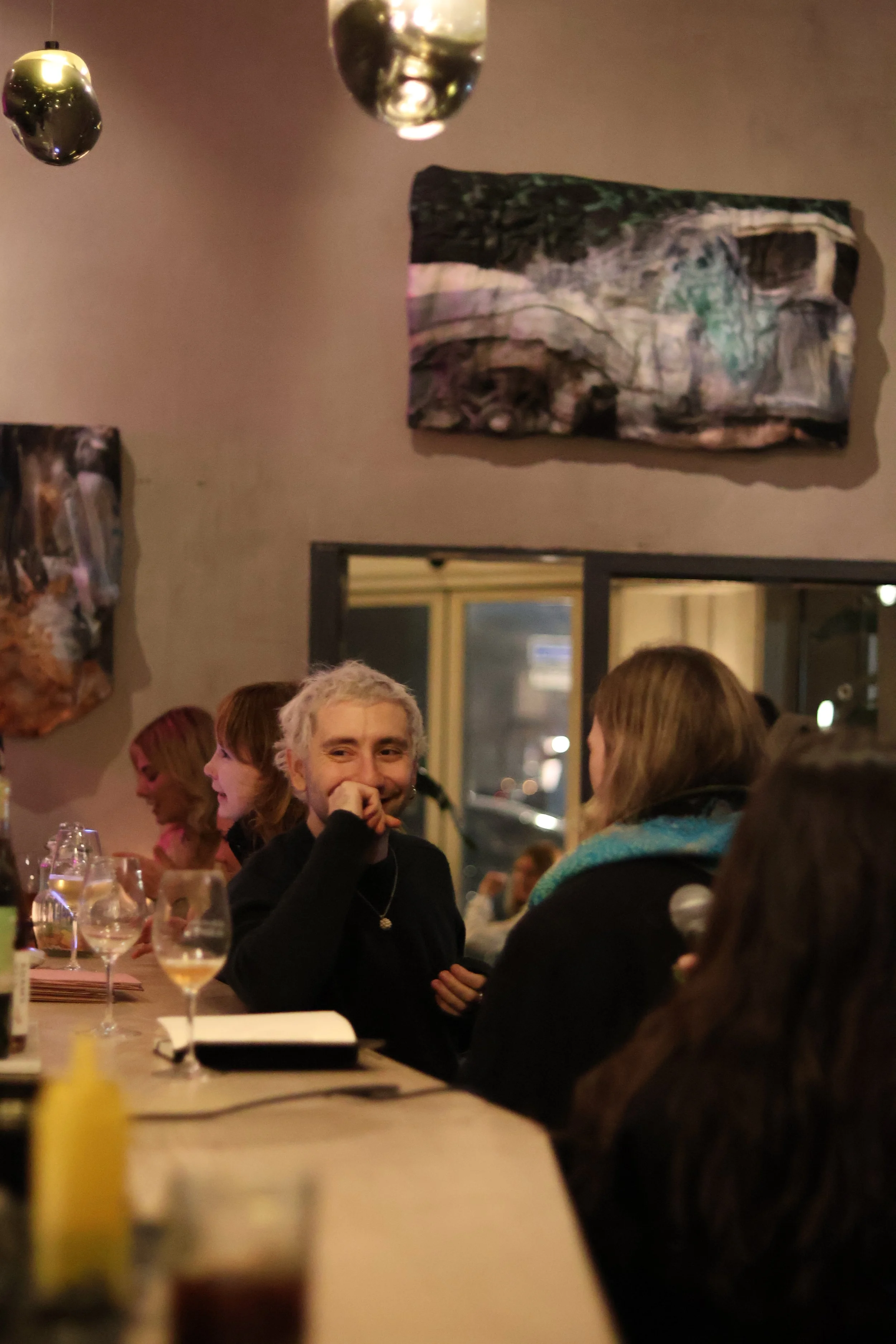
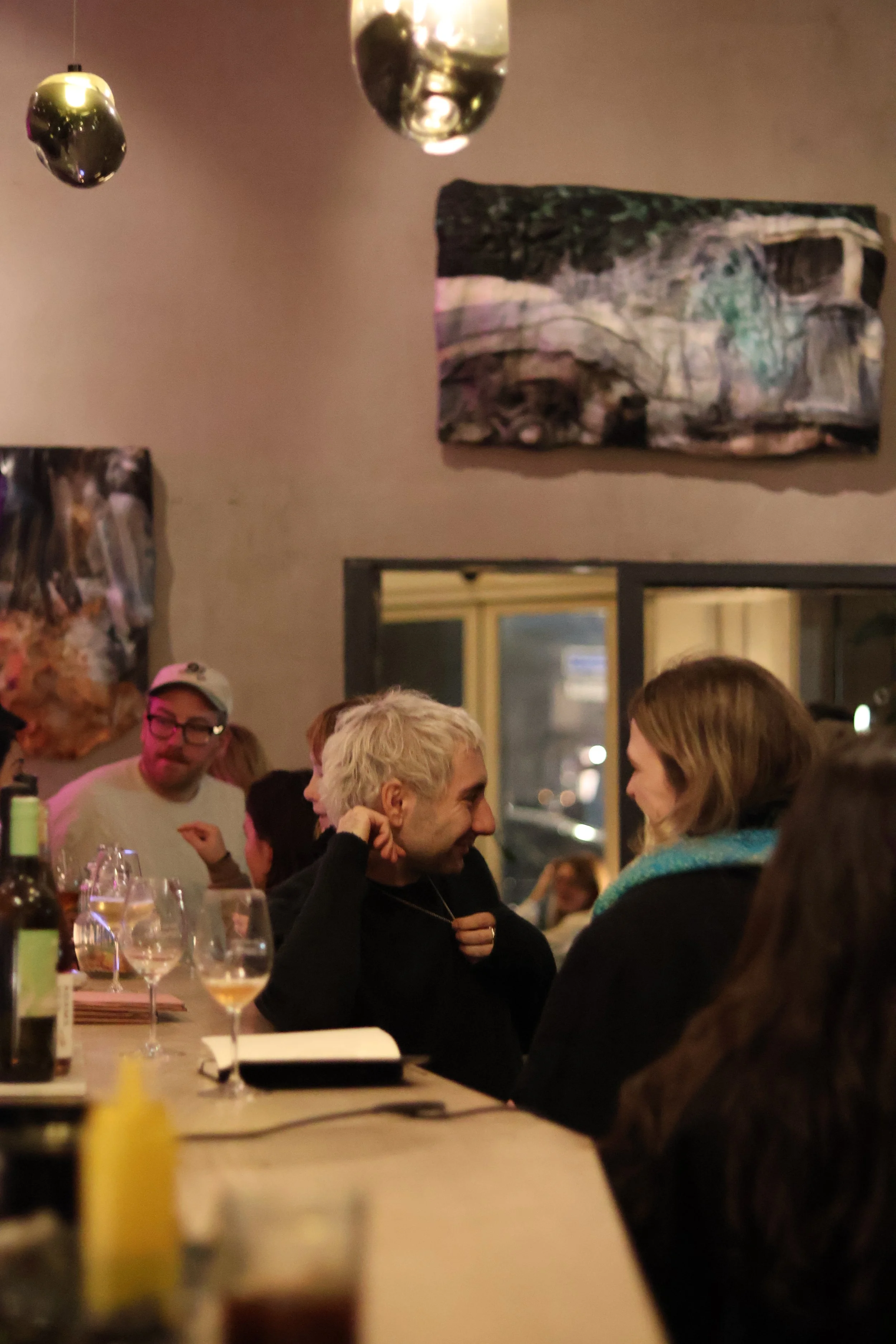
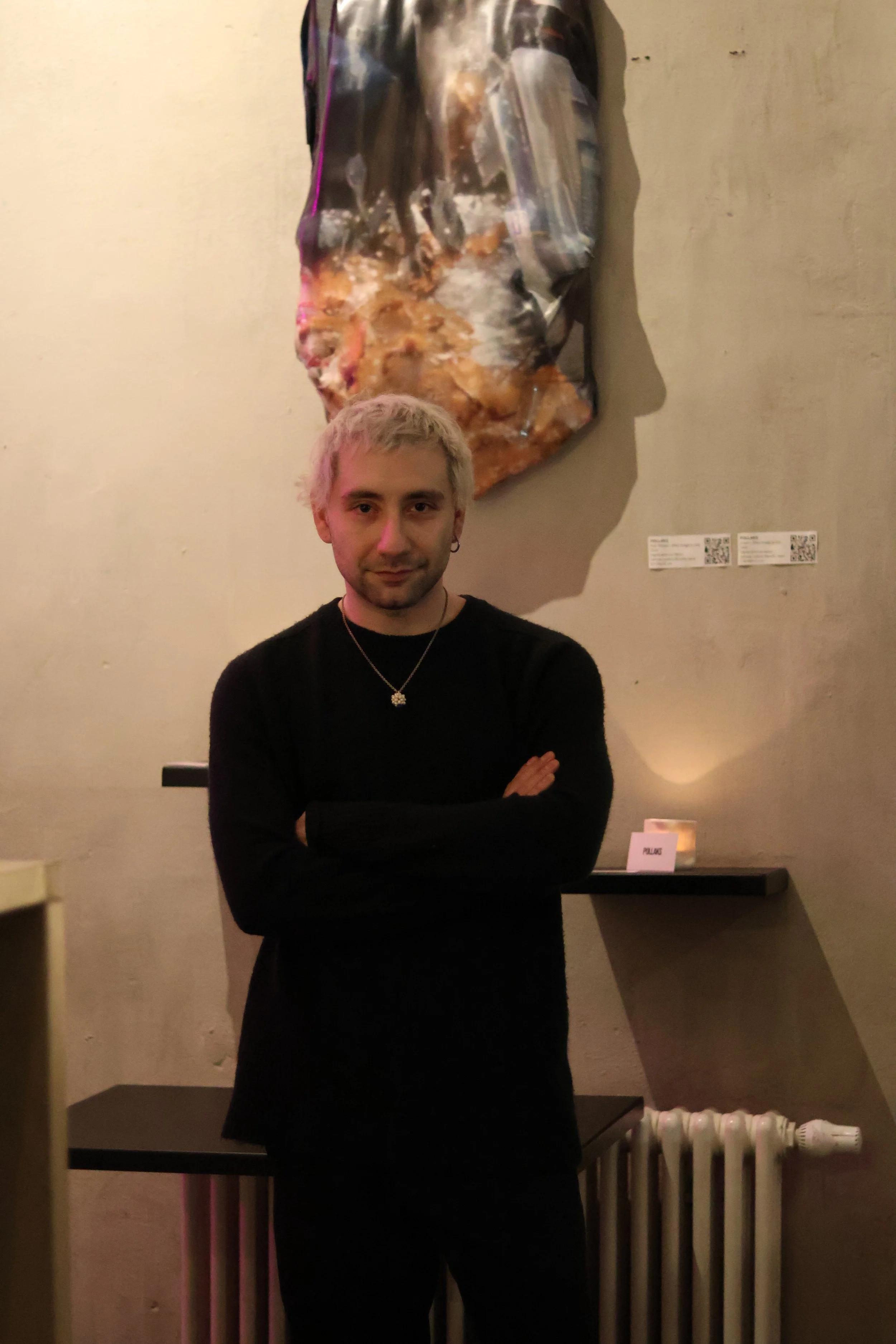
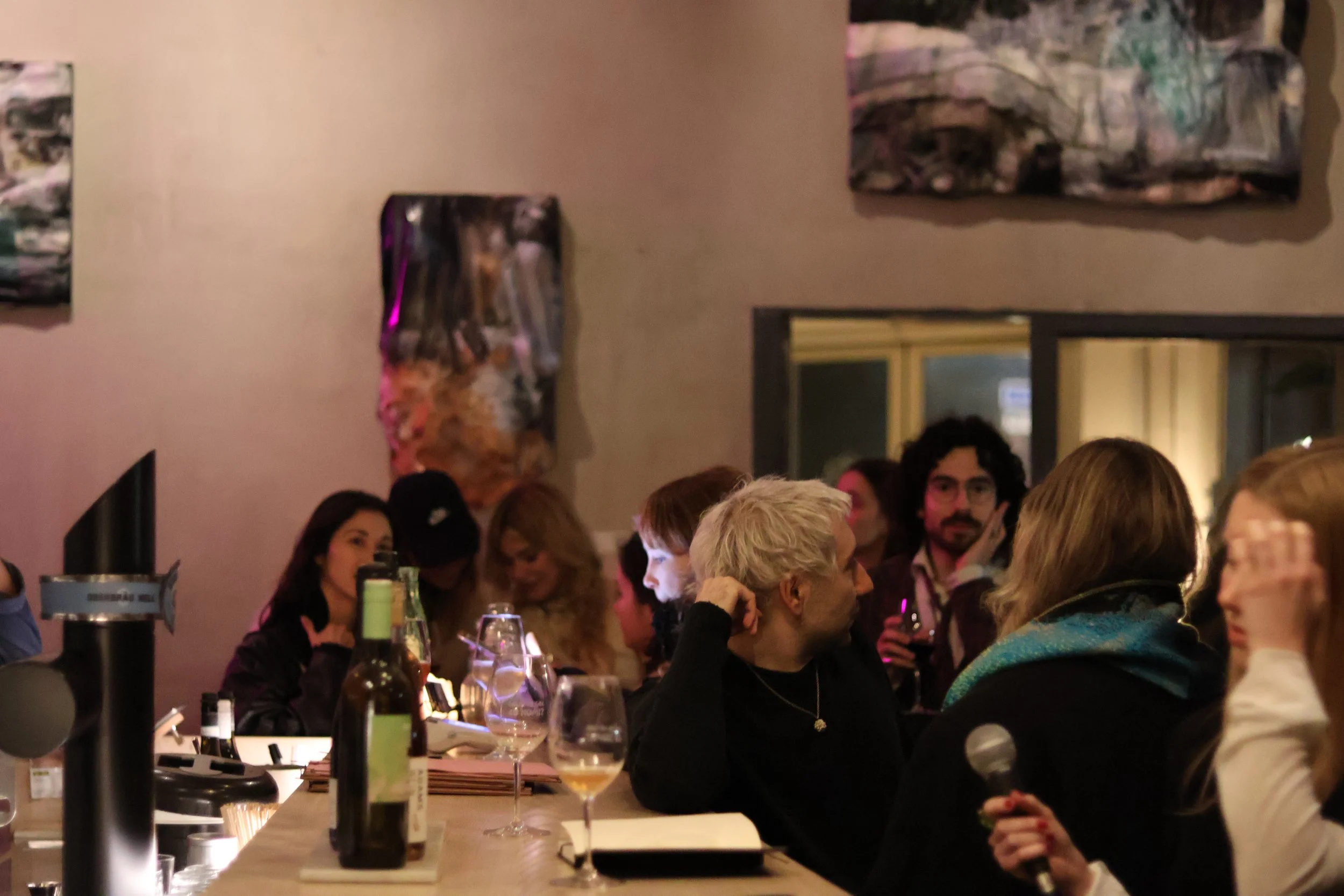
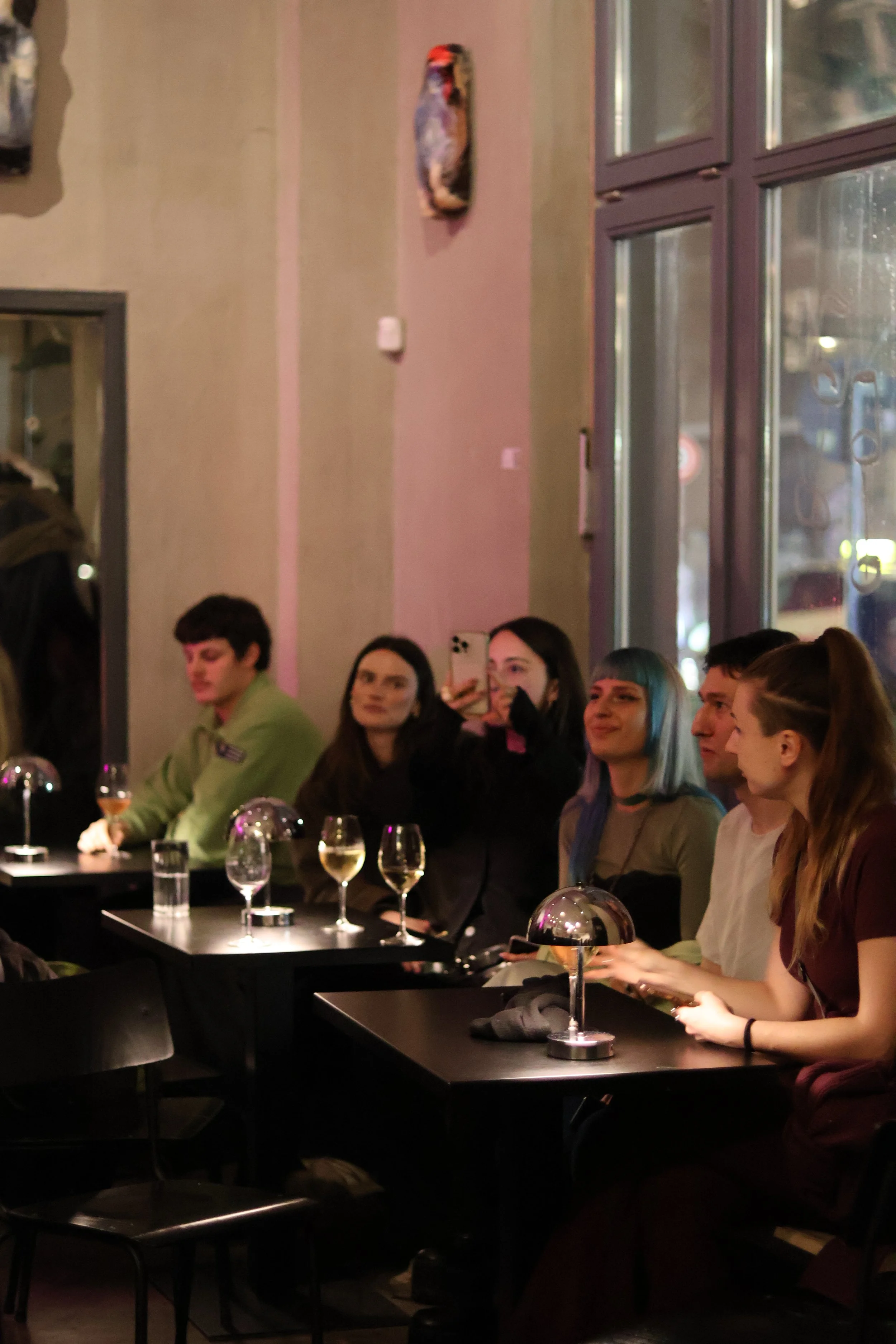
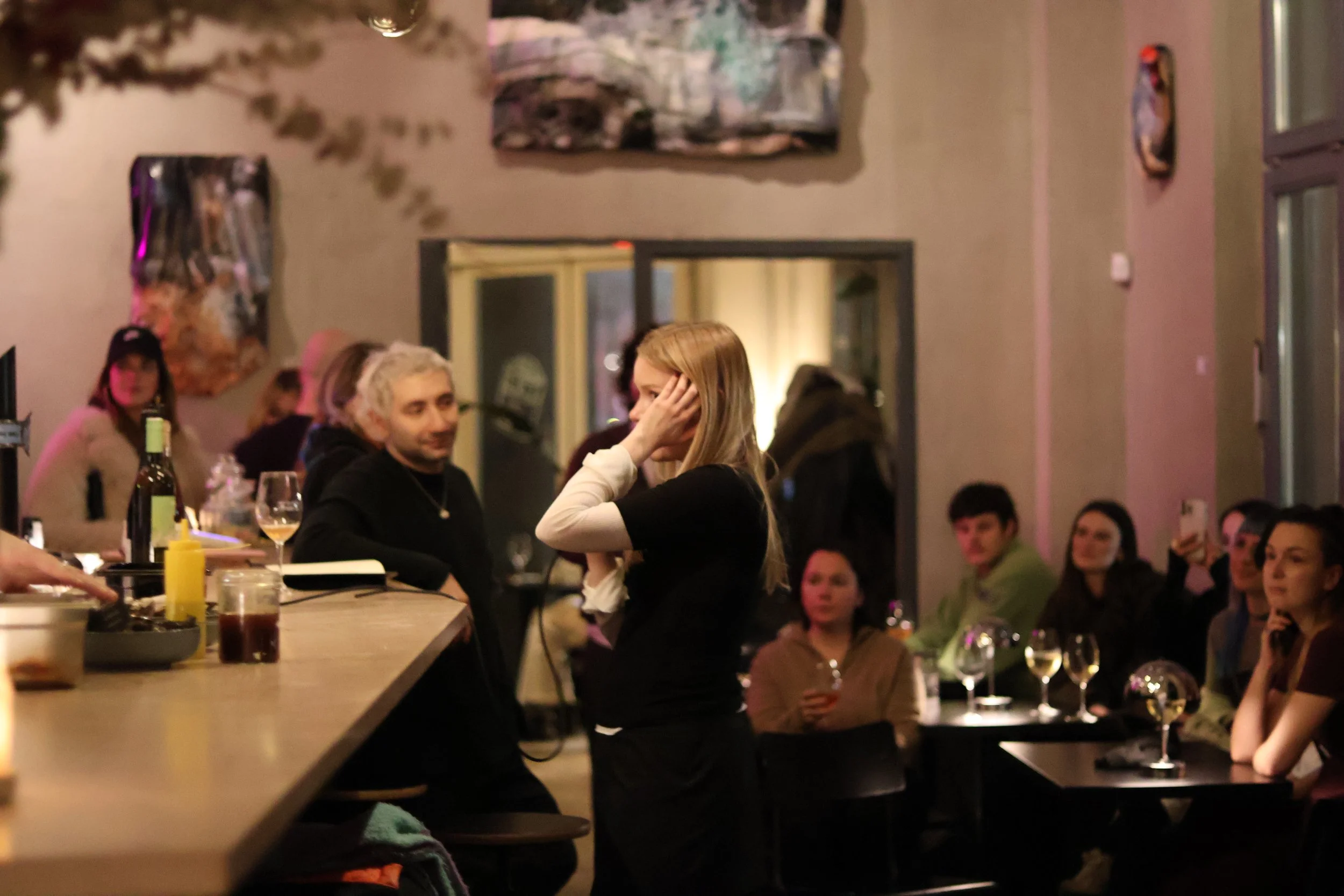
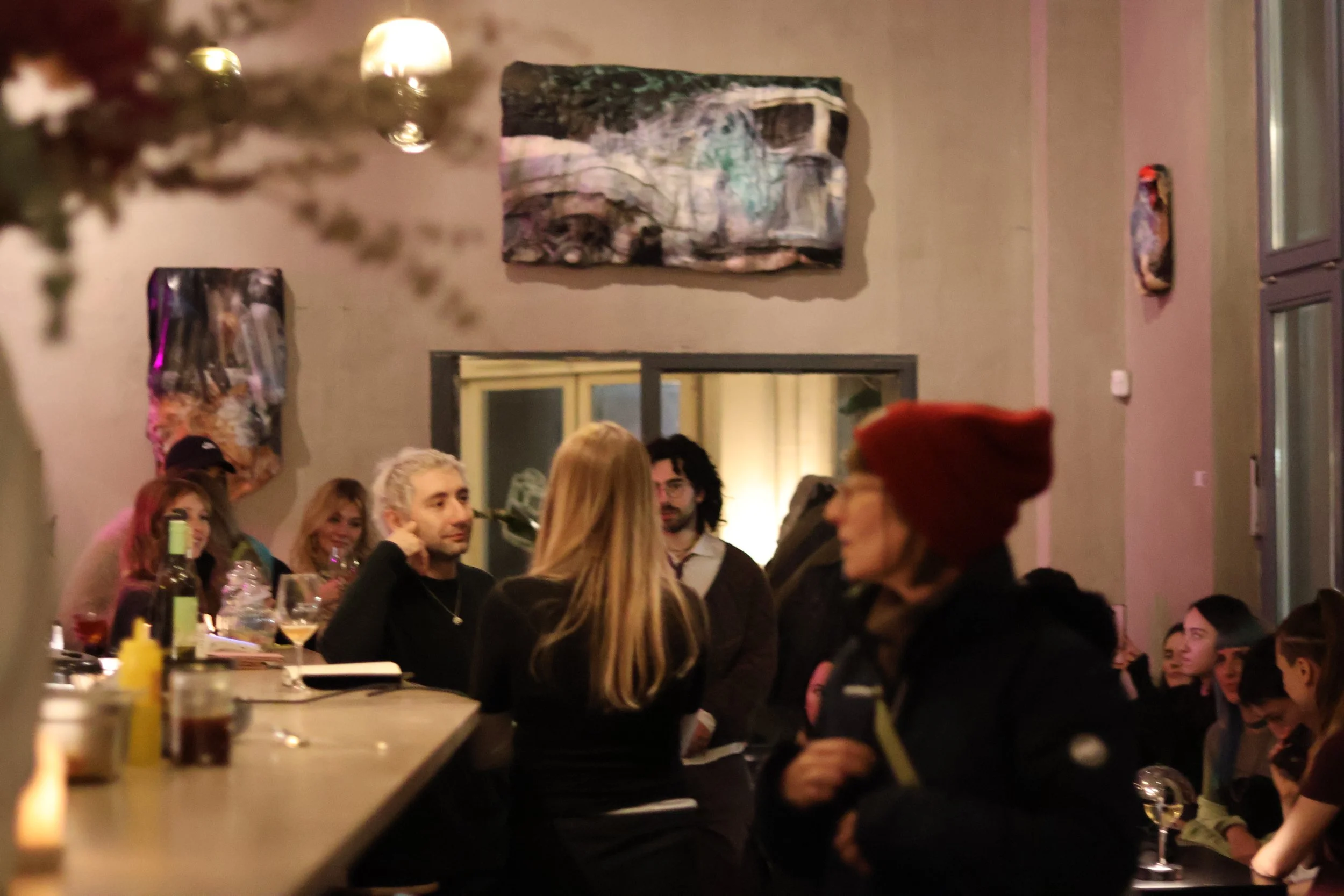
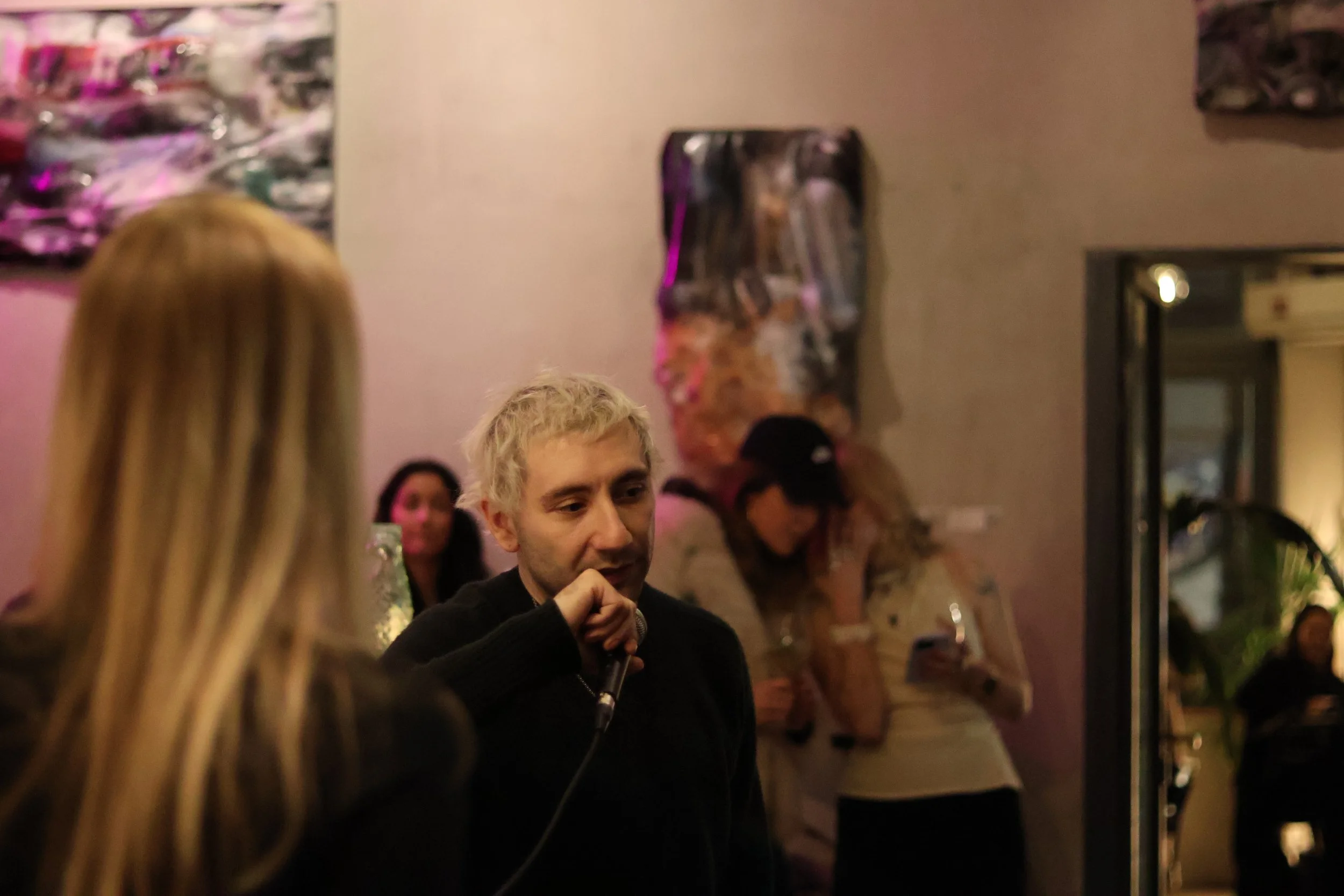
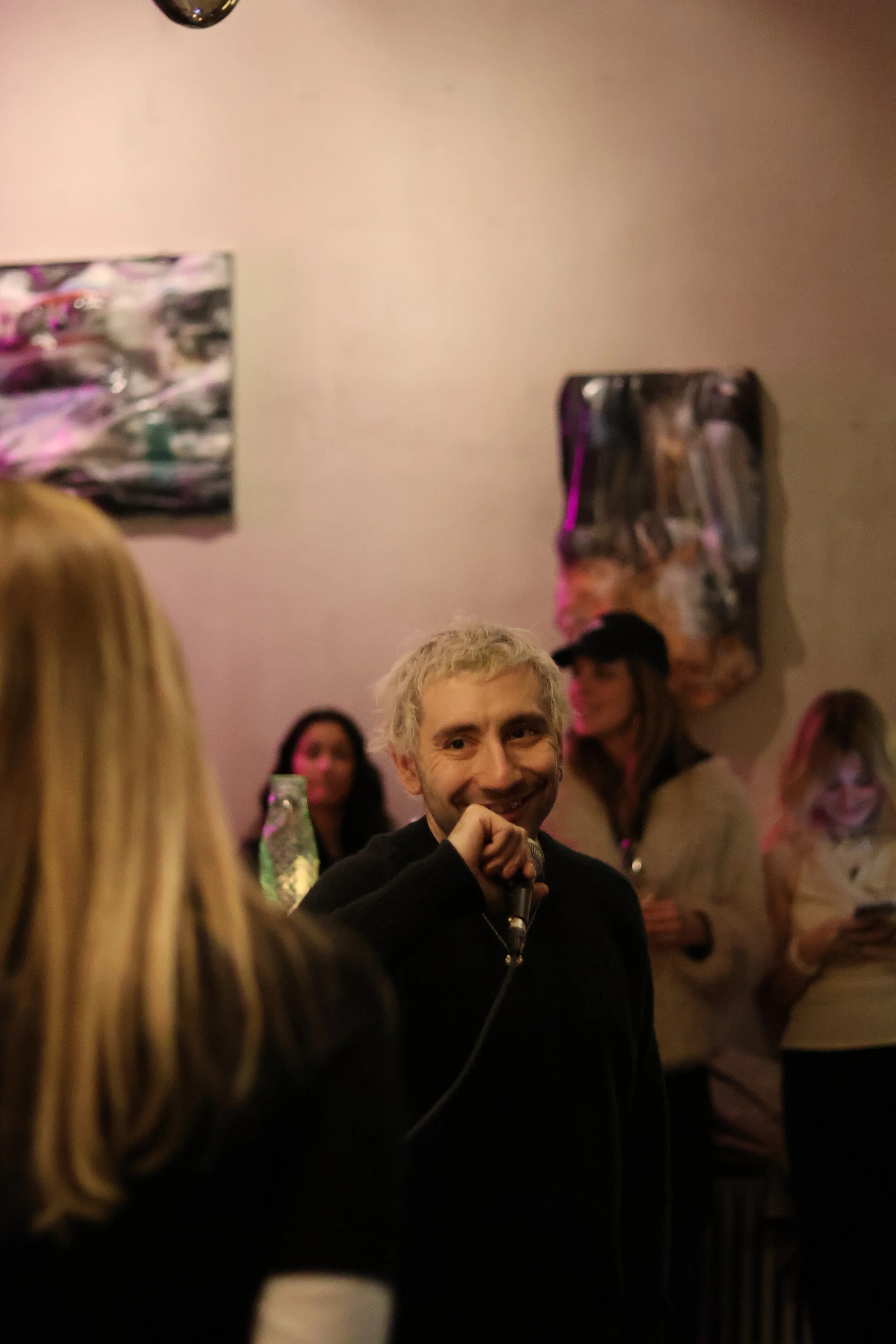
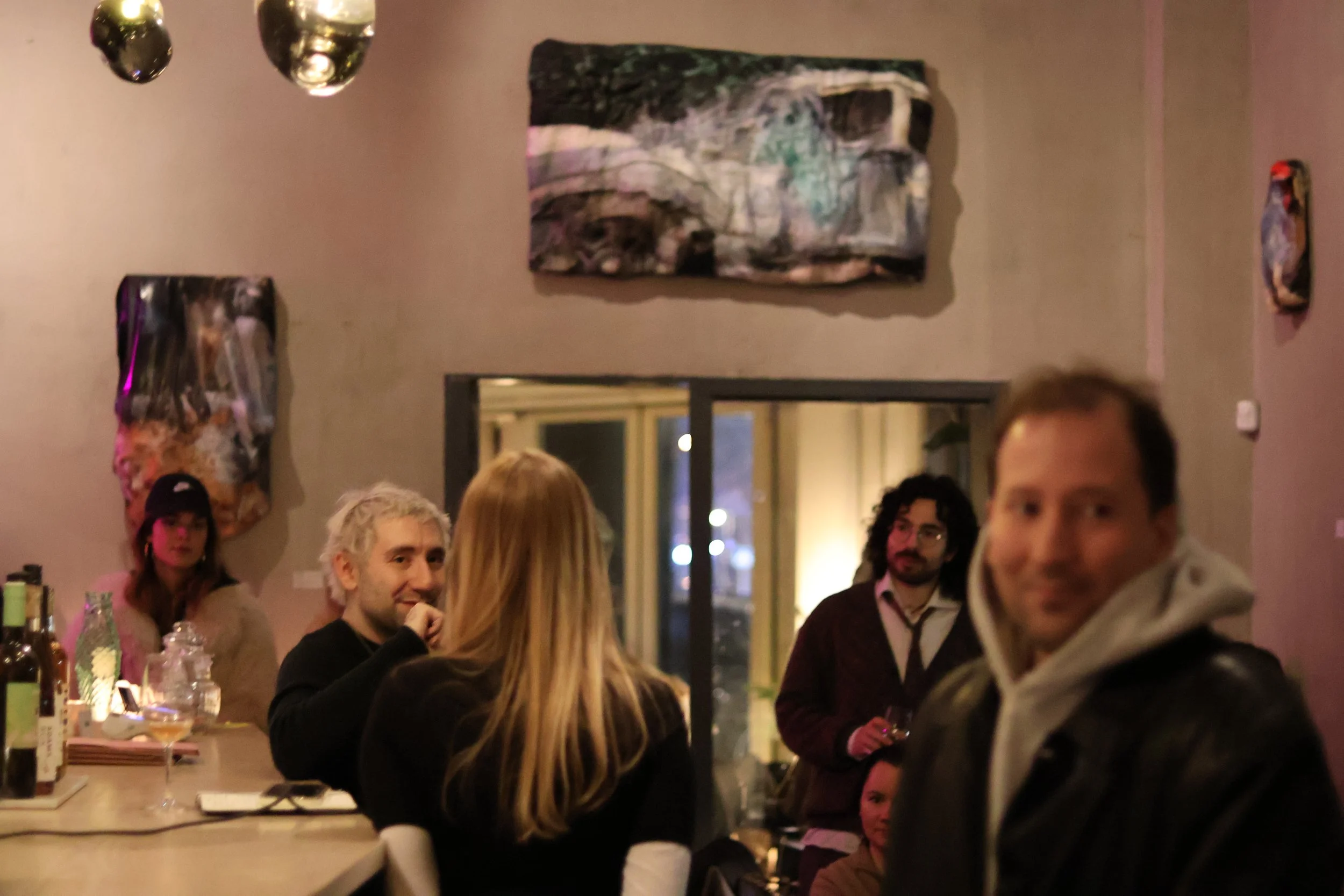
Winebar NOMI is proud to present a new evening of contemporary exchange, bringing together visual art, conversation, and sound in collaboration with POLLAKS. Building on NOMI’s commitment to fostering intimate cultural encounters, this event creates a space where artistic practices unfold beyond traditional exhibition formats and into a shared social setting.
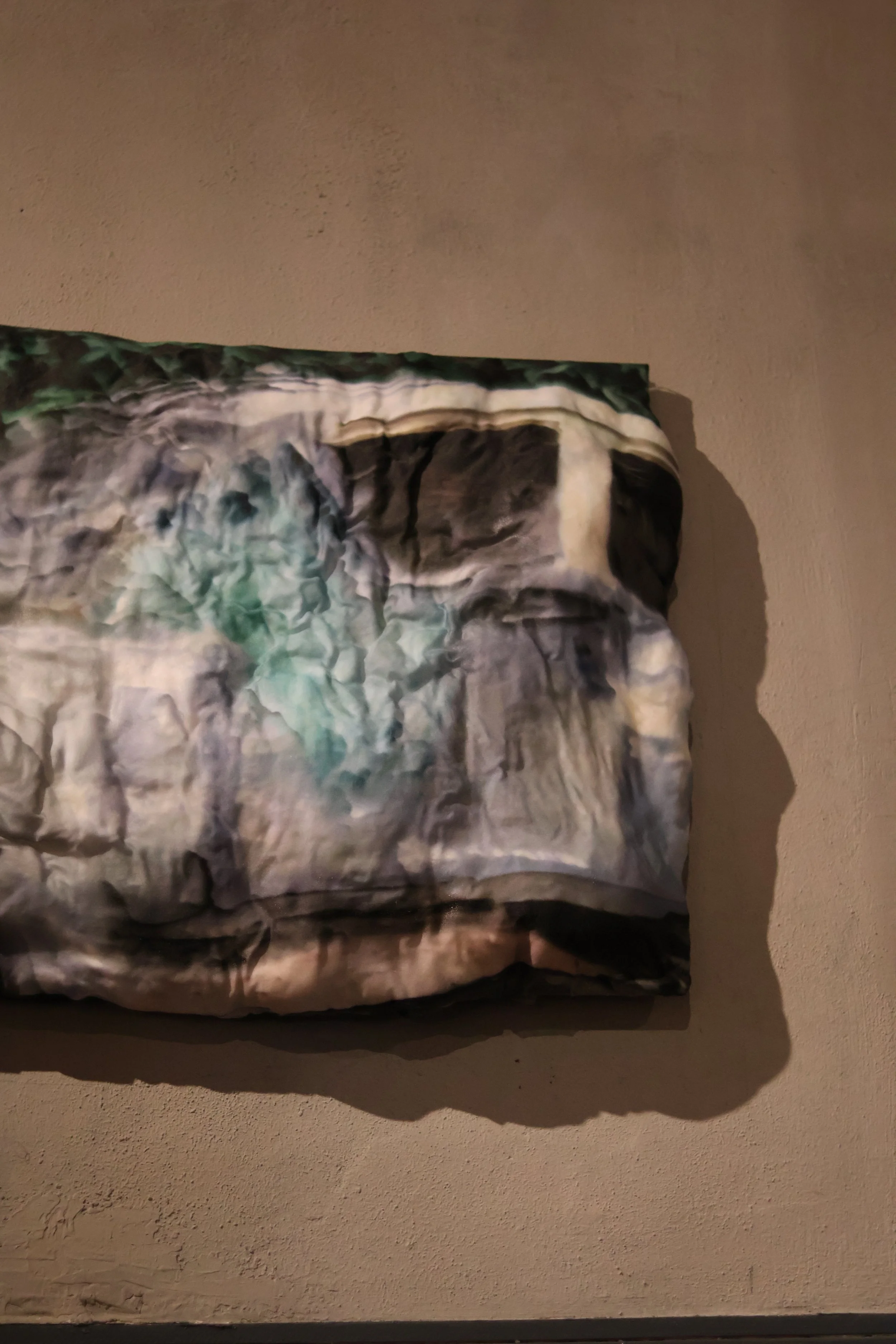
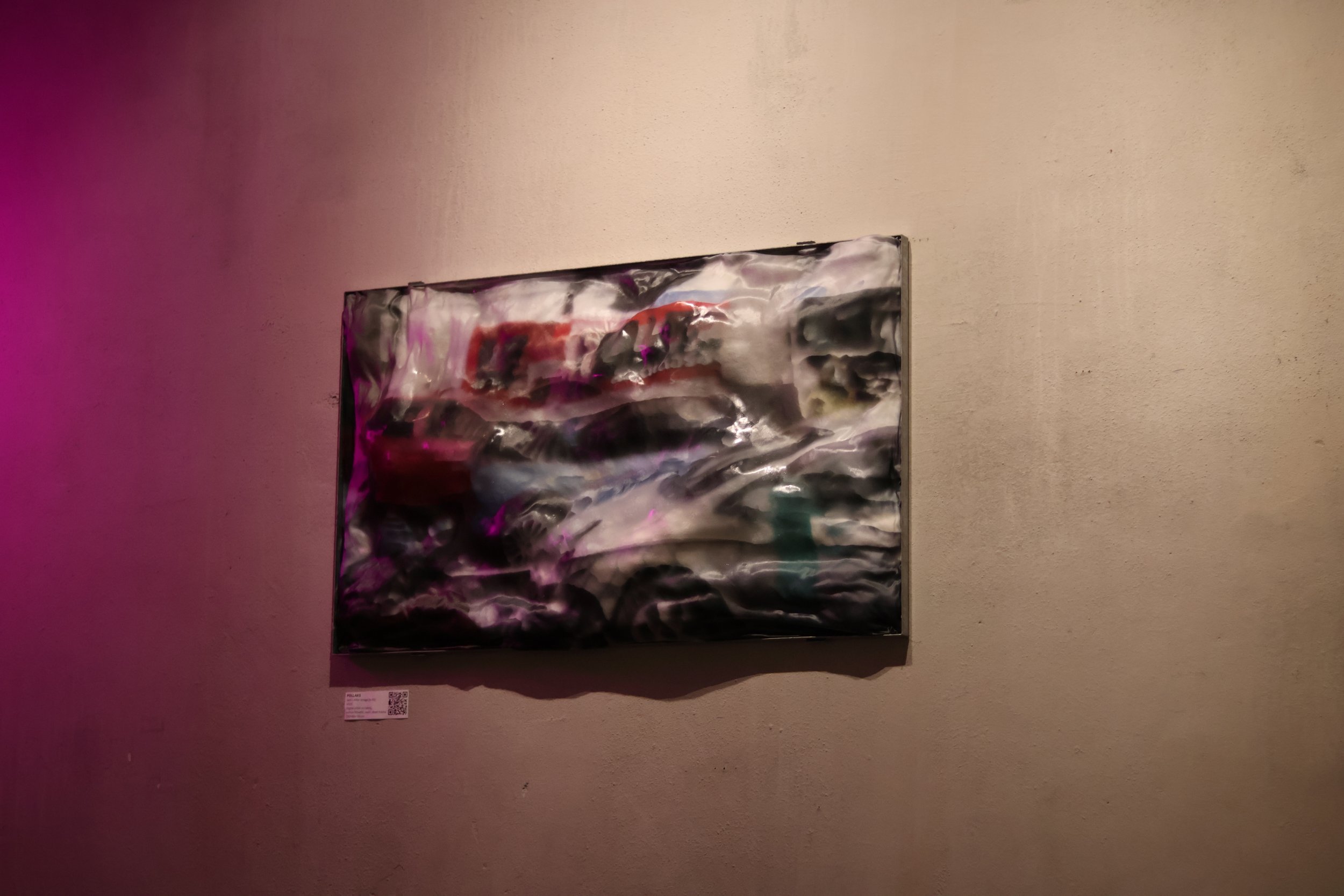
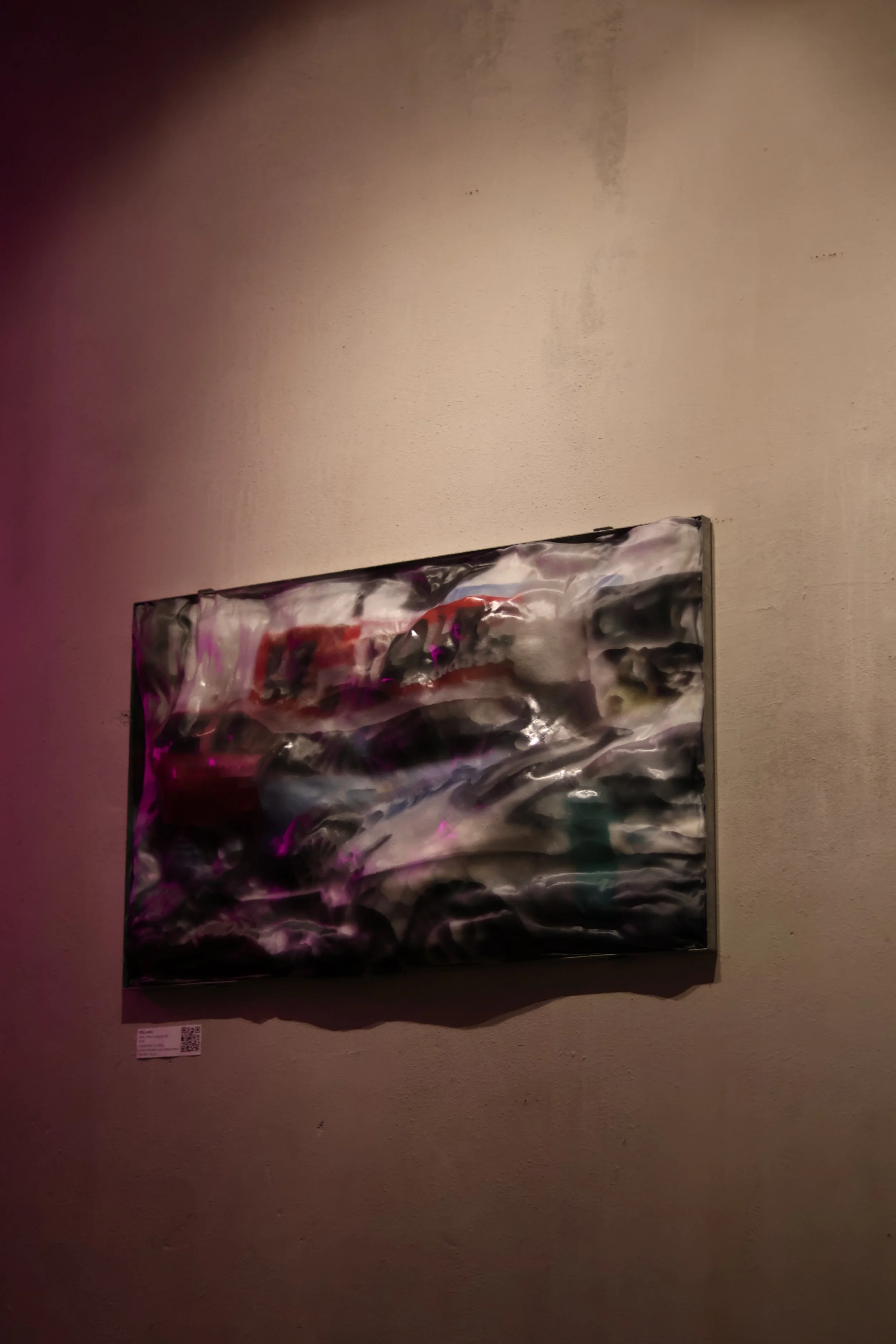
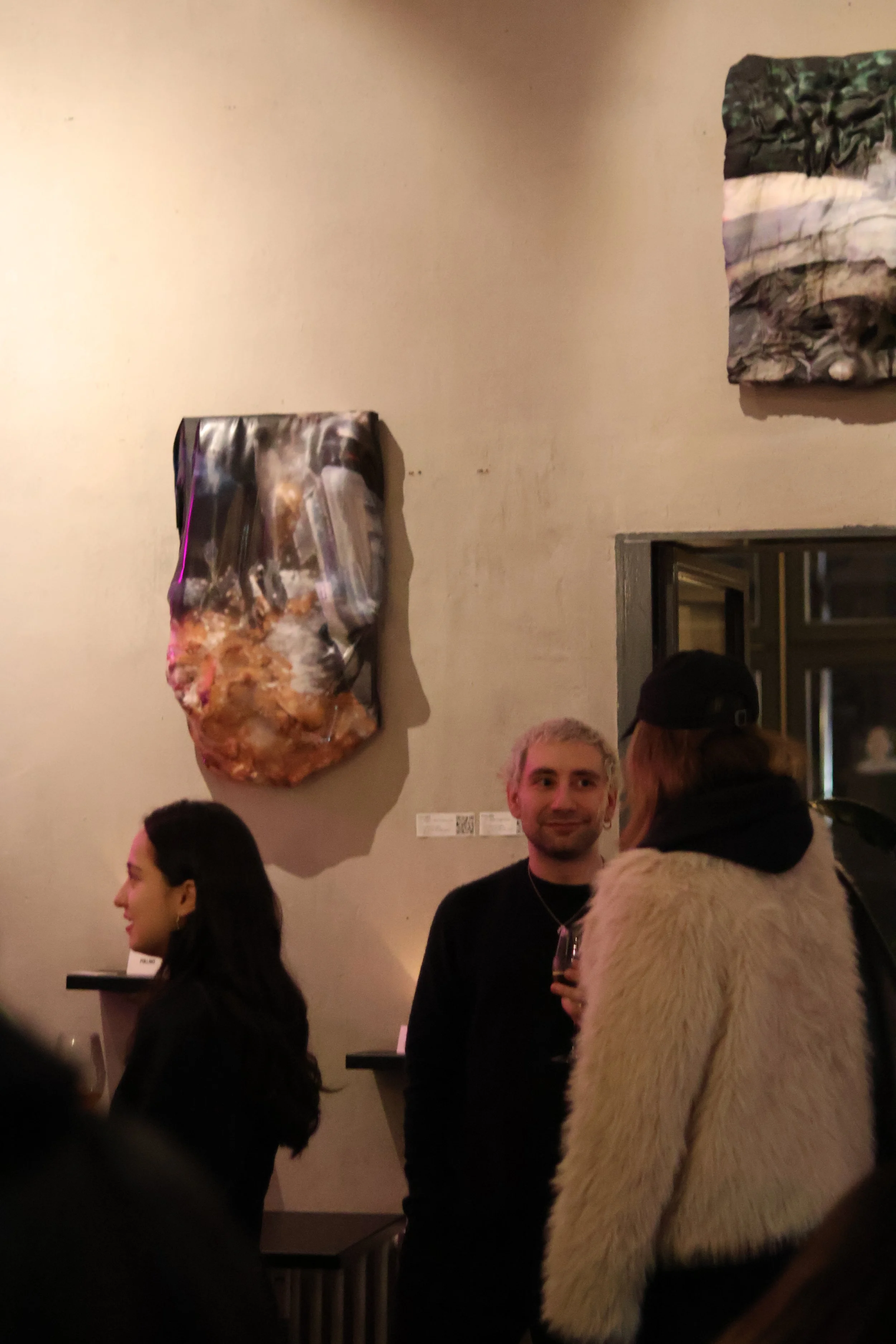
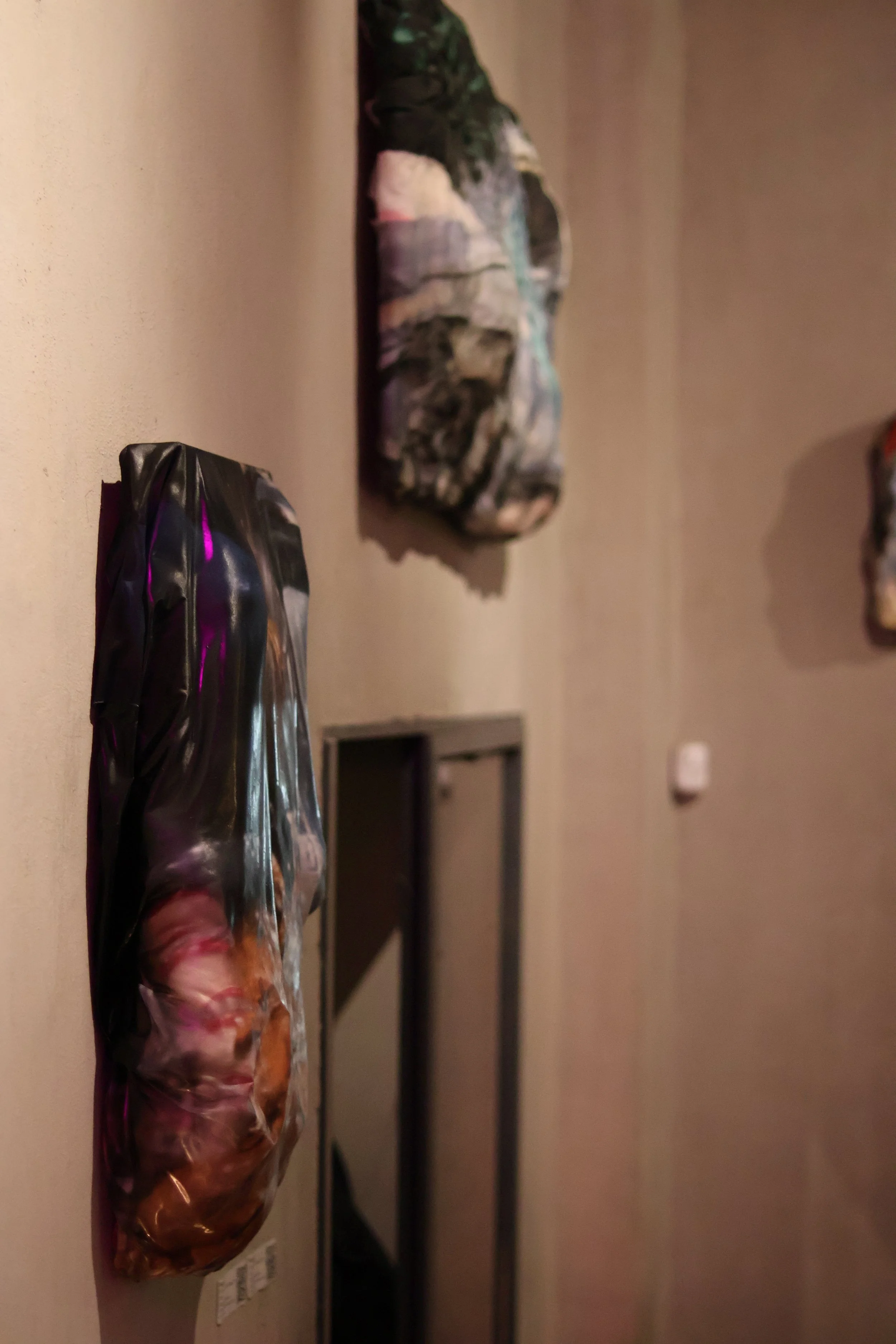
At the center of the evening is the work of Berlin-based artist Alex See, whose practice navigates the unstable terrain of representation in the post-digital age. Working across photography, digital manipulation, computational processes, and sculptural materiality, See begins with the image as a point of departure—only to dismantle and transform it through layered interventions. His process embraces uncertainty, complexity, and fragmentation, disrupting visual coherence and opening new ways of seeing.
Through techniques of dissection and reconfiguration, See translates digital imagery into physical forms and time-based works. Printed fabrics, fibrefill, and resin become carriers of distorted, blurred surfaces that retain traces of their multiple transformations. These hybrid objects exist between states—part image, part artifact—embodying a continuous flux that resists fixity and resolution. In doing so, his work reflects a contemporary condition shaped by instability, ambiguity, and constant transition.
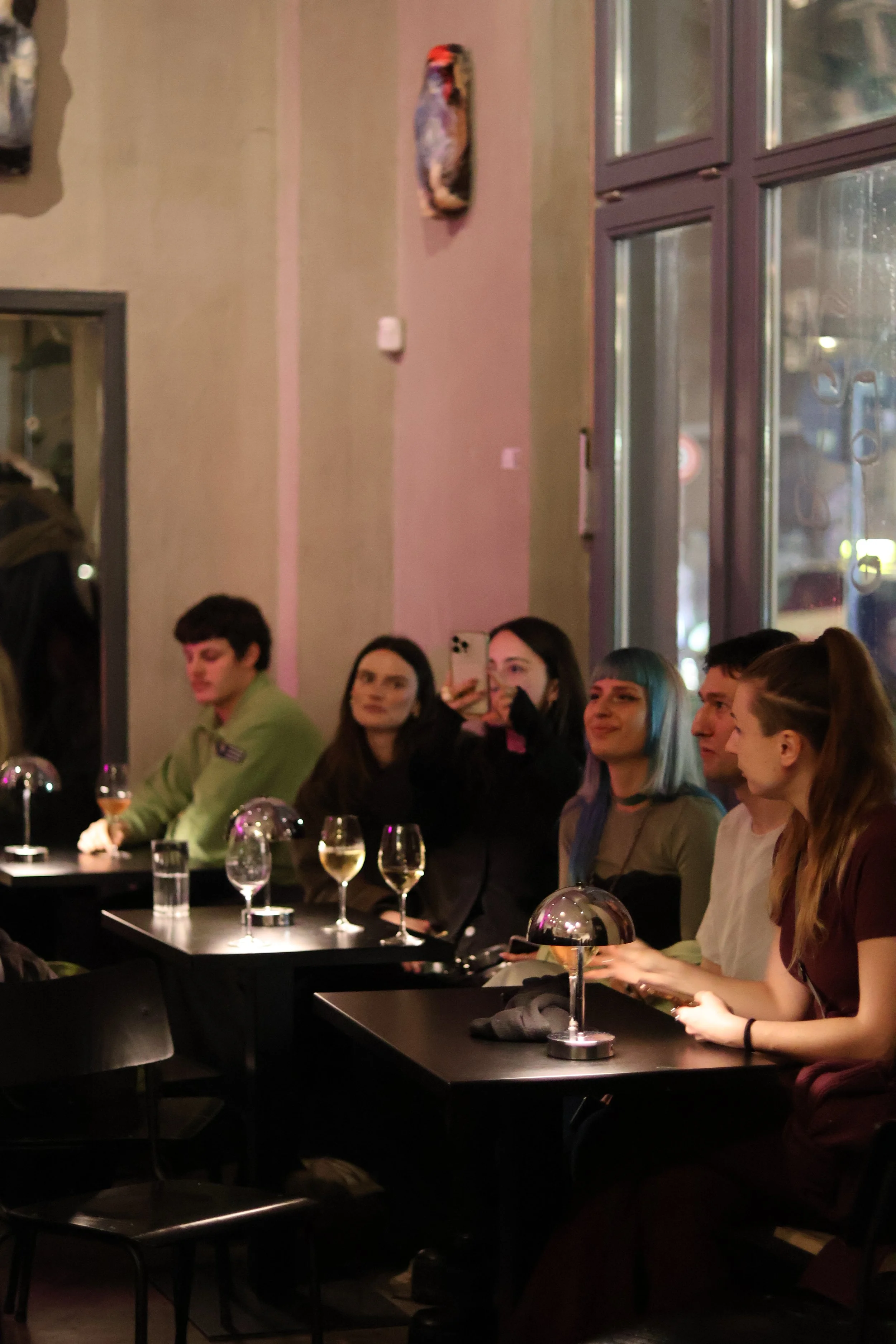
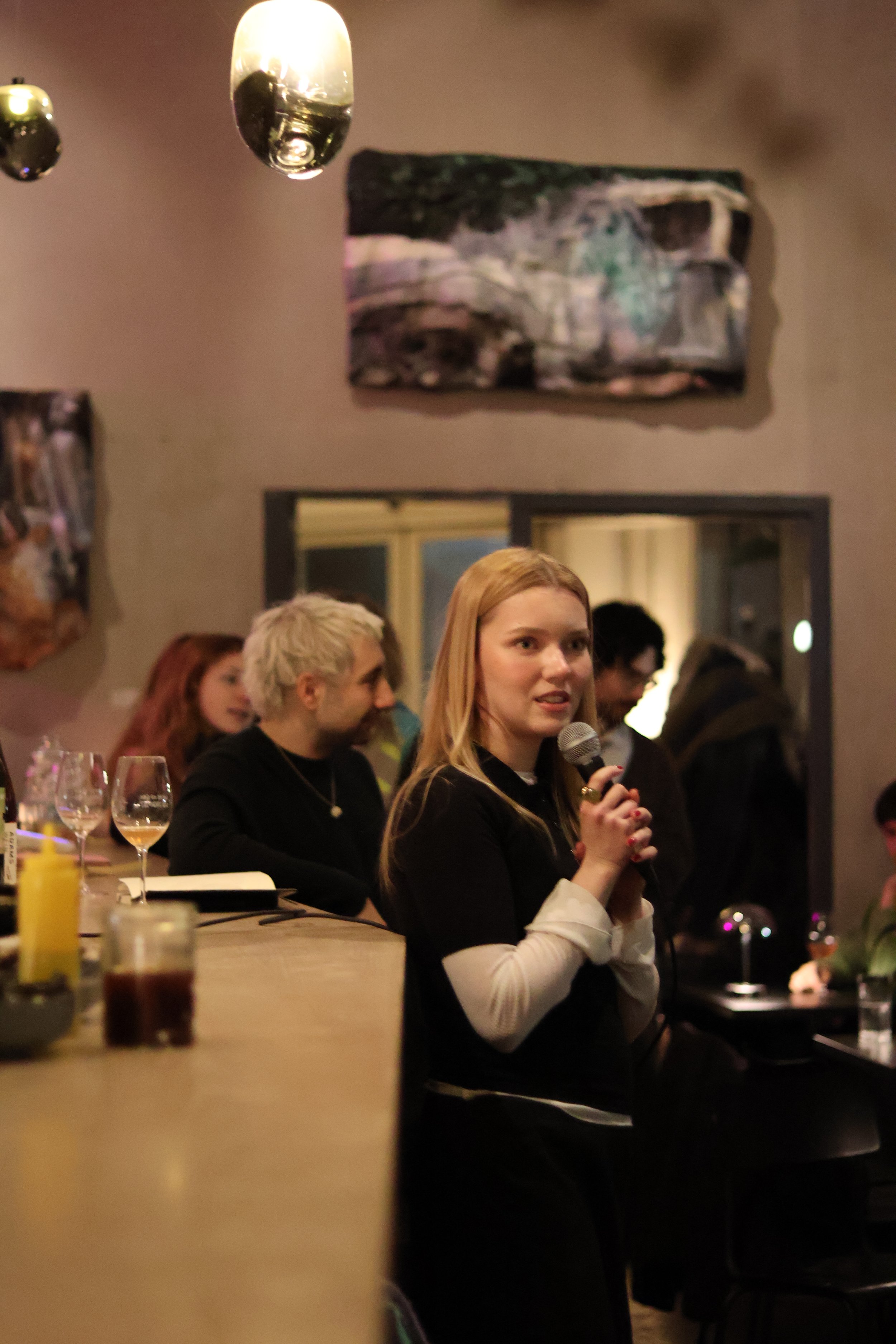
The programme unfolds as a multi-layered experience: an in-conversation artist talk between Alex See and Anna Darn offers insight into the conceptual and material underpinnings of the work, while a live musical performance by XI-N introduces an atmospheric sonic dimension. Together, these elements create a dialogue across disciplines, where visual art, language, and sound intersect.
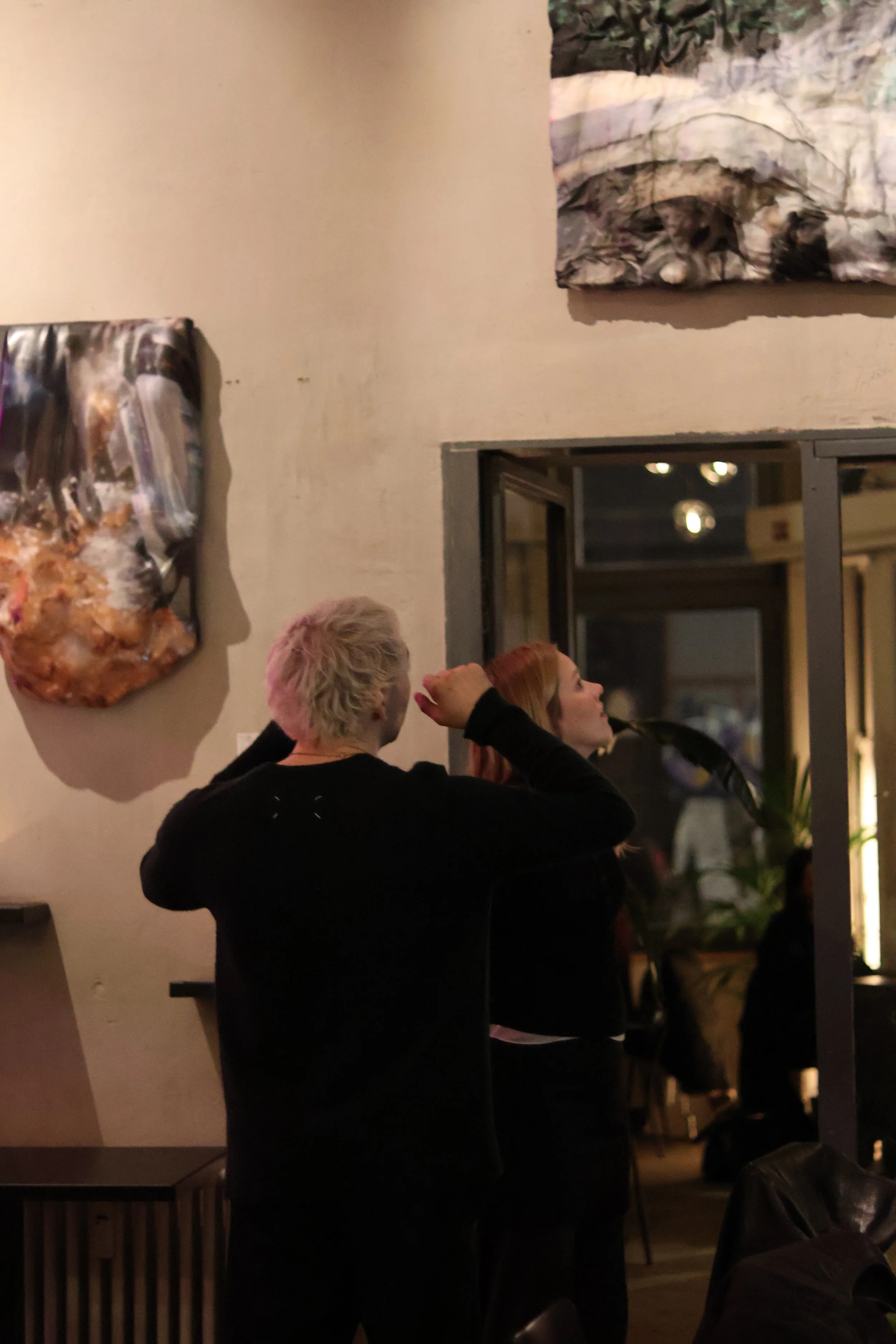
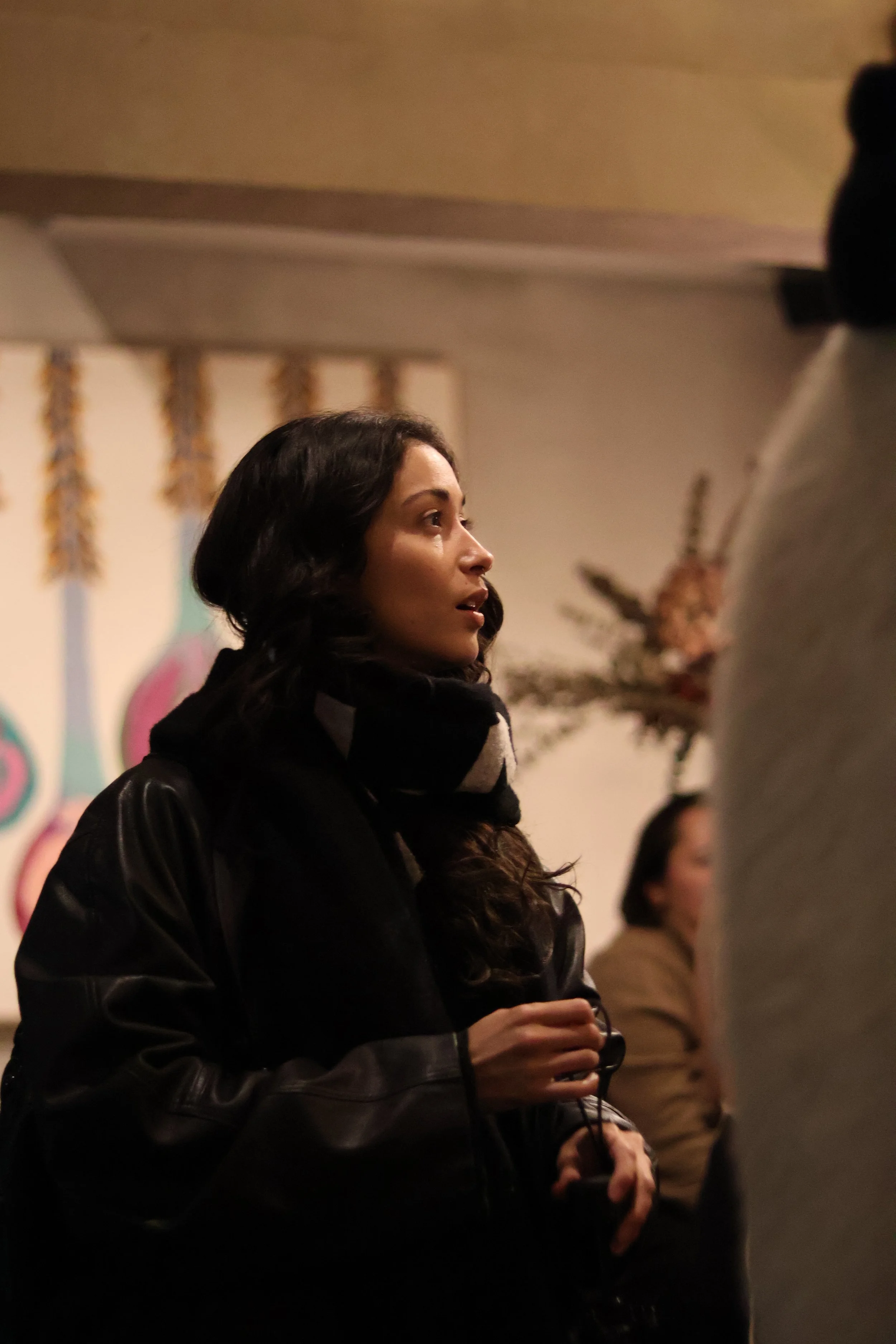
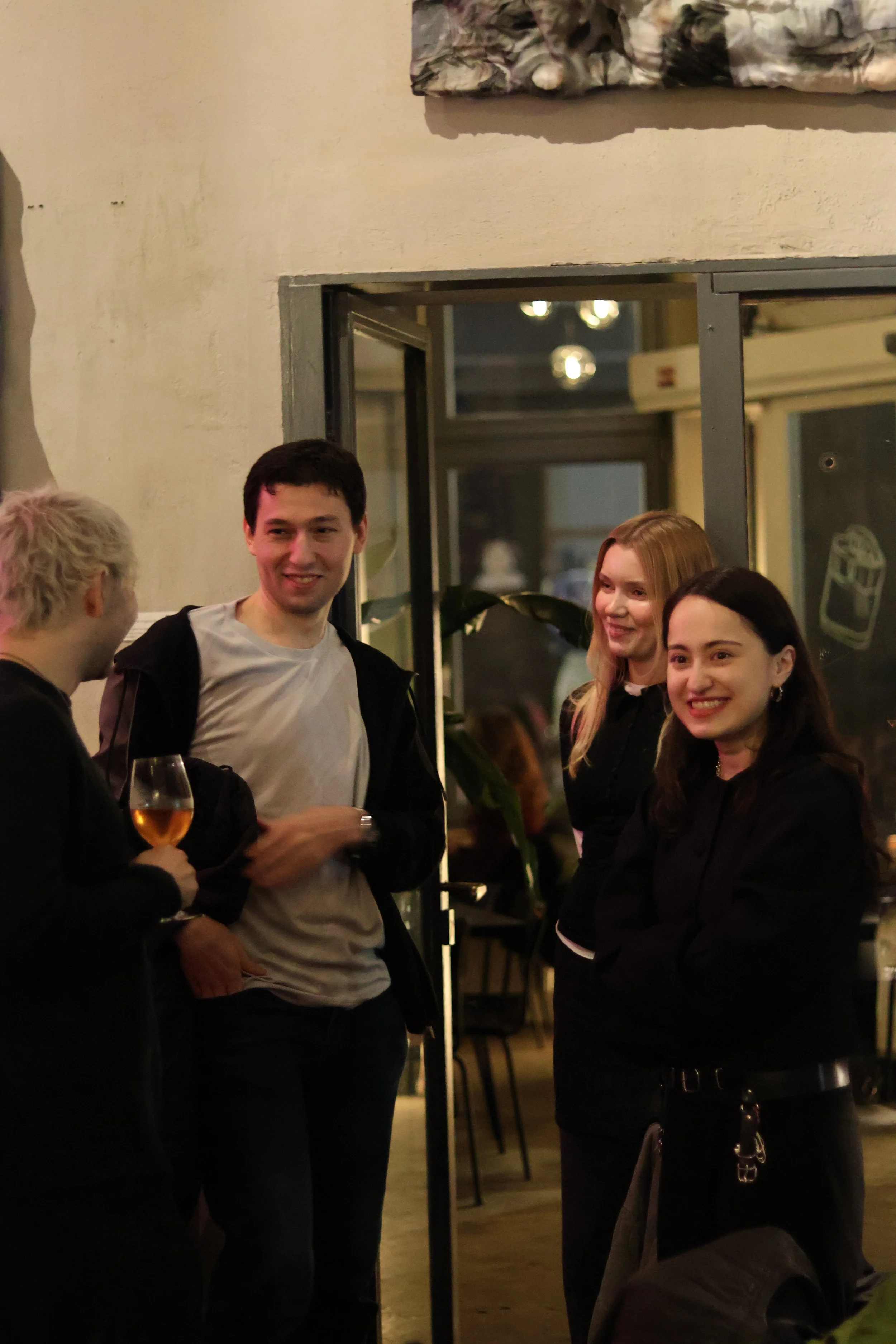
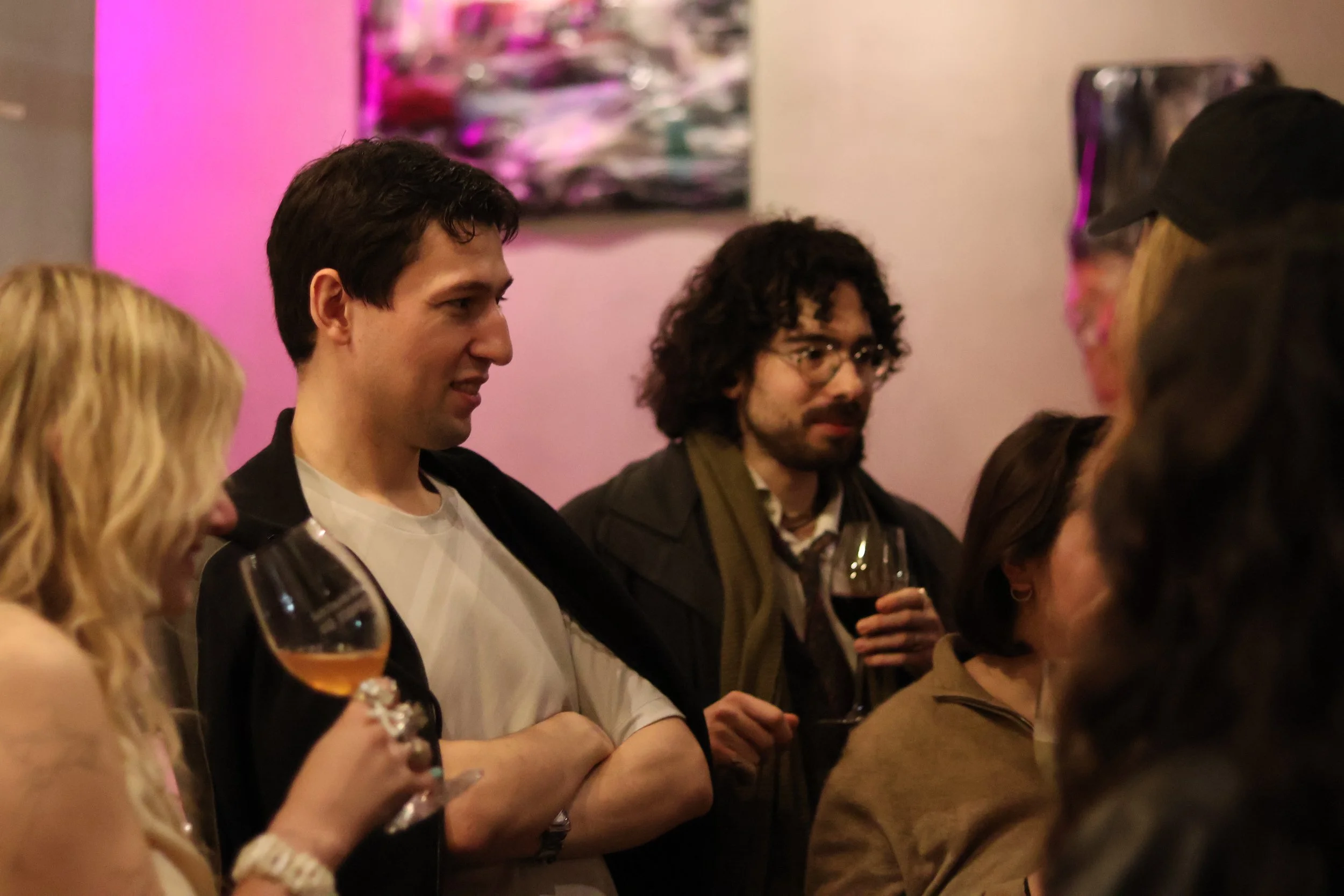
Set within the intimate environment of NOMI, the evening invites guests to engage closely—with the work, with the artists, and with one another. Moving fluidly between presentation and exchange, the event highlights POLLAKS’ ongoing commitment to creating platforms where contemporary practices can be experienced in immediate, lived contexts.